
Transform Your Garden: Landscaping Ideas That Add Value
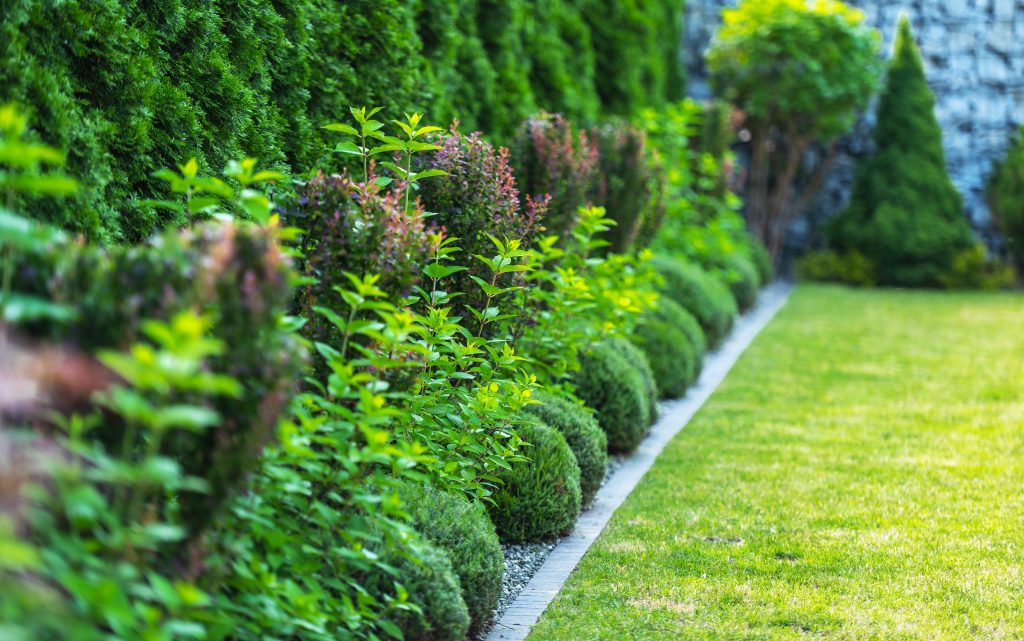
A well-designed garden can completely transform the look and feel of your property while increasing its value. Whether you’re planning a complete redesign or a few simple upgrades, thoughtful landscaping creates a beautiful, functional, and low-maintenance outdoor space. For homeowners in Essex, Suffolk, and beyond, these landscaping ideas can help you make the most of your garden while boosting your property’s appeal. 1. Create Defined Outdoor Zones One of the simplest ways to improve your garden is to divide it into functional zones. Consider creating separate areas for: Relaxation: patios with seating or outdoor lounges Dining: spaces with tables, chairs, and possibly an outdoor kitchen Play or activity: lawns or open areas for children and pets Gardening: flower beds, vegetable plots, or herb gardens Defined zones make your garden feel larger and more organised, giving a clear purpose to each area while enhancing usability. 2. Install Hardscaping Features Hardscaping adds structure and durability to your garden. Popular options include: Patios and decking – perfect for entertaining or relaxing Pathways – connect areas while adding style; consider block paving for durability Driveways and parking areas – integrate seamlessly with the landscape Retaining walls – manage slopes and create raised planting areas These features not only improve the garden’s functionality but also boost property value, as buyers often appreciate low-maintenance and structured outdoor spaces. 3. Plant with Purpose Plants are the heart of any garden, but choosing the right ones is key to success. Aim for a mix of: Evergreens – for year-round colour and structure Seasonal flowers – add bursts of colour and visual interest Native plants – support local wildlife and reduce maintenance. The Royal Horticultural Society offers detailed guidance on gardening for wildlife, including advice on choosing plants that benefit local insects, birds, and other animals Trees and shrubs – provide privacy, shade, and a sense of scale Grouping plants strategically and considering their growth patterns ensures your garden remains beautiful and manageable over time. 4. Focus on Outdoor Living Modern gardens aren’t just for show—they’re extensions of your home. Adding features like: Outdoor seating and fire pits Pergolas or gazebos Water features such as fountains or small ponds …creates spaces that are usable year-round. Comfortable, functional outdoor areas not only make your garden more enjoyable but also appeal to potential buyers looking for lifestyle benefits. 5. Add Lighting for Atmosphere and Safety Landscape lighting transforms your garden after dark, highlighting features such as trees, pathways, and patios. It also improves safety and security by illuminating steps and entrances. Consider solar lights for energy efficiency or subtle LED uplighting to create a warm, inviting atmosphere. 6. Maintain Balance Between Aesthetics and Functionality While aesthetics are important, a practical garden adds long-term value. Avoid overcrowding spaces and ensure paths, patios, and seating areas are wide enough for comfortable use. Incorporating easy-to-maintain plants, durable materials, and smart drainage solutions keeps your garden looking great without constant effort. 7. Consider Professional Landscaping Advice Landscaping can be complex, particularly when integrating hardscaping, drainage, and planting schemes. Working with an experienced contractor ensures: Correct installation of patios, driveways, and fencing Healthy plant selection and positioning Long-lasting design that increases property value Professional guidance can save time, prevent costly mistakes, and help you achieve a cohesive, visually stunning garden. Transforming your garden with thoughtful landscaping is an investment that pays off in both enjoyment and property value. From creating functional zones to adding hardscaping, purposeful planting, and outdoor living features, every element contributes to a beautiful, low-maintenance space. If you’re looking to upgrade your garden with expert landscaping services, L Groundworks can help. Our team in Essex and Suffolk offers bespoke designs, professional installation, and ongoing advice to turn your outdoor space into a stylish and valuable asset. Contact us today to start your garden transformation! FAQ Section Q1: How can landscaping add value to my garden? A: Thoughtful landscaping improves aesthetics, functionality, and curb appeal, increasing property value and making outdoor spaces more enjoyable. Q2: Are hardscaping features worth the investment? A: Yes. Patios, pathways, driveways, and retaining walls add structure, durability, and visual appeal, enhancing both use and property value. Q3: Which plants are best for low-maintenance gardens? A: Evergreens, native plants, shrubs, and seasonal flowers provide beauty year-round while requiring minimal care. Q4: How can I make my garden suitable for outdoor living? A: Add seating areas, pergolas, water features, fire pits, and lighting to create comfortable, functional spaces for year-round use.
Commercial Landscaping in Colchester: What’s the ROI for Business Owners?
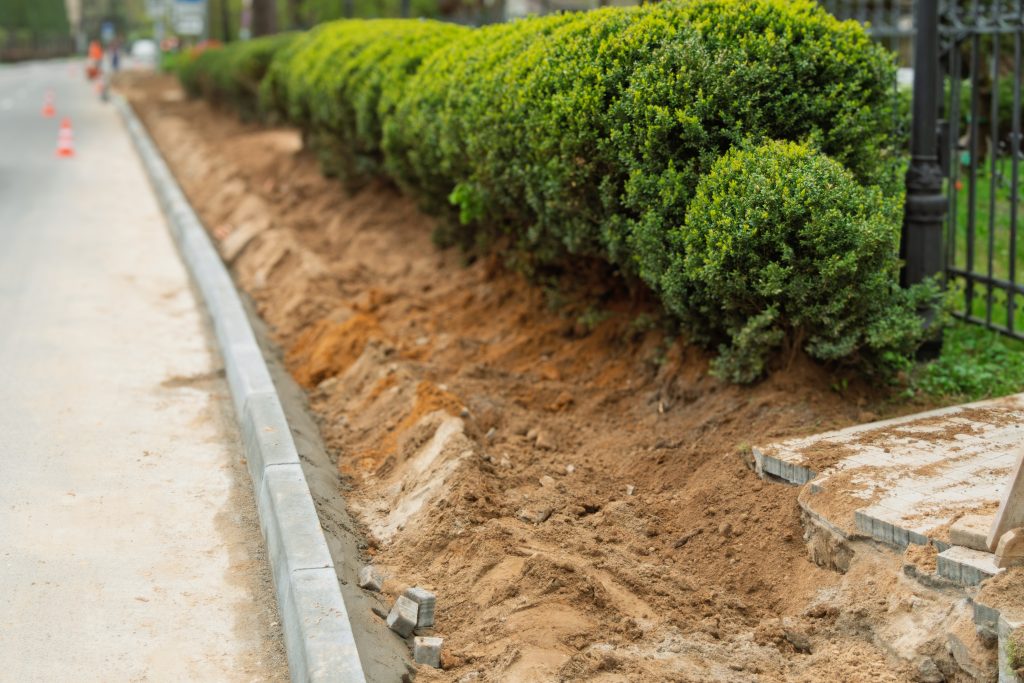
When business owners think about return on investment, they usually think about equipment, marketing, or staff training. Outdoor space rarely makes the list. But for businesses in Colchester and across Essex, professional landscaping can deliver measurable returns across several areas, from customer footfall to property value and staff productivity. This guide looks at the real business case for investing in your outdoor space, and what you can expect to get back. First Impressions Drive Customer Decisions Kerb appeal is not just a concept for homeowners. Research consistently shows that the exterior of a business shapes how potential customers feel before they ever walk through the door. A well-maintained entrance, clear pathways, and tidy planting signal professionalism and care. For retail units, offices, and hospitality venues, a poor outdoor environment can actively turn customers away. In competitive local markets like Colchester, where businesses are often close together, the look of your exterior can be the deciding factor. Professional commercial landscaping contractors in Colchester can transform the front of a commercial site with hard landscaping features, planted borders, paving, and drainage improvements that hold up through all seasons. Staff Wellbeing and Productivity This is an area where the evidence is strong. Access to green space at work has a measurable effect on how employees feel and perform. Research published by NHS Forest, in their Space to Breathe study on staff wellbeing, found that staff who regularly spent time in green space during the working day reported significantly higher wellbeing than those who did not. The study also found that between 44 and 52 per cent of staff said attractive green spaces were an important factor when choosing where to work, suggesting a direct link to recruitment and retention. For business owners, this translates into a practical return. Lower staff turnover means lower recruitment costs. Higher wellbeing is linked to fewer sick days. Even simple improvements like a landscaped courtyard, outdoor seating area, or planted walkway can make a difference to how staff experience their working environment. Property Value and Commercial Rent Well-landscaped commercial properties consistently achieve higher valuations and rental yields than comparable sites with neglected or bare exteriors. For property owners and landlords in Essex, this is a straightforward financial consideration. Tenants looking for office or retail space factor in the quality of the surrounding environment. A site that looks cared for is easier to let and can command a premium. For owner-occupiers, landscaping investment adds to the overall asset value of the site. The return is not instant, but it is long-term. Unlike many other business improvements, a well-designed outdoor space grows in value over time as planting matures. Planning and Environmental Compliance For some commercial developments in Colchester and the wider Essex area, landscaping is not optional. Planning permissions for new builds or extensions often include conditions around soft landscaping, drainage, and green space provision. Failing to meet these requirements can delay sign-off or result in enforcement action. Working with an experienced groundwork and landscaping contractor from the start ensures that your outdoor space meets planning conditions while also looking good and functioning well. A contractor who understands both groundwork and landscaping, covering drainage, foundations, and surface treatments alongside planting, can deliver a joined-up result. The ROI in Practice: A Quick Overview Area of Return What Good Landscaping Delivers Customer perception Stronger first impression, increased footfall Staff wellbeing Higher productivity, lower sickness absence Recruitment and retention Attractive workplace environment Property value Higher valuations and rental yields Planning compliance Meeting conditions, avoiding delays Long-term maintenance costs Durable materials reduce ongoing spend What Commercial Landscaping Actually Involves Commercial landscaping is broader than most people expect. It goes well beyond planting flowers. A full commercial project might include: Site clearance and ground preparation Hard landscaping such as block paving, pathways, and parking areas Drainage improvements to prevent waterlogging Retaining walls and level changes Planted borders, trees, and lawn areas Fencing and boundary treatments Lighting and signage bases The groundwork and the landscaping need to work together. Getting the drainage and levels right before anything is planted or paved is what makes a commercial outdoor space last. You can see an example of this kind of joined-up approach in our Plume Academy expansion project, where groundwork and landscaping were delivered as a single, coordinated package. Is It Worth It for Smaller Businesses? The short answer is yes, even on a modest budget. You do not need a large site or a big spend to see a return. Even small improvements, like a resurfaced entrance, a tidy boundary fence, or a planted bed at the front of your premises, can shift customer and staff perception. The key is working with a contractor who can advise on where to focus spend for maximum impact, and who will deliver work that lasts. Cheap materials or poor preparation will need replacing sooner, which undermines the return. Get a Quote for Your Commercial Site LGL Groundworks provides professional groundwork and landscaping services for commercial clients across Essex and Suffolk. Whether you are planning a full site transformation or a targeted improvement, our team can advise on the most practical and cost-effective approach. Get in touch with us today for a free, no-obligation quote. We work with businesses of all sizes and will give you a clear picture of what is involved and what it will cost.
Commercial Landscaping Contractor Colchester: Complete Guide

When people visit your business, the outdoor spaces around your building tell them a lot about your company. A tidy entrance, clean car park, and nice-looking grounds make customers think well of you. Good outdoor areas also make your staff happier at work. This is where professional commercial landscaping in Colchester really helps. Commercial landscaping is more than just cutting grass or planting flowers. It creates outdoor spaces that work well for your business. Whether you run an office, shop, factory, or healthcare building, the right landscaping contractor can make your outdoor areas much better. Why Commercial Landscaping is Different from Home Gardens Business properties need different care than home gardens. There are several important differences to understand. First, commercial grounds are usually much bigger than home gardens. They cover more space and need more work to keep looking good. Second, business properties get more people walking on them every day. Car parks need to handle heavy vehicles. Pathways must cope with lots of foot traffic. This means surfaces wear out faster and need stronger materials. Third, business properties must meet safety rules. You need proper drainage to stop water pooling. Pathways must be safe for everyone, including people using wheelchairs. Car parks need clear markings and good lighting. Professional contractors know all these rules and make sure your property meets them. Commercial work often happens outside normal business hours. This stops the work from bothering your customers or staff. Contractors might work early in the morning, late in the evening, or at weekends. This scheduling needs good planning and flexibility. Finally, commercial properties need professional equipment. Home gardeners use basic tools. Commercial contractors use powerful machinery to maintain large areas quickly. This includes big mowers, hedge trimmers, and specialist machines for car parks and drainage. Important Services for Business Landscapes Car Parks and Entrance Roads Your car park is often the first thing visitors see. It needs to look good and work well. Professional car park and driveway paving gives you safe, attractive surfaces that last for years. Block paving is a popular choice for business car parks. It looks smart and handles heavy traffic well. The blocks come in different colours, so you can match your company colours or create patterns. Permeable block paving is even better because it lets rainwater drain through. This stops puddles forming and helps meet drainage rules. Good car parks need several features. Clear white or yellow lines show where to park. Proper drainage stops water collecting. Good lighting makes the car park safe at night. Disabled parking spaces near the entrance help customers with mobility needs. All these features work together to create a professional, safe car park. Business Entrance Areas The area right outside your main entrance is very important. This is where visitors get their first close-up view of your business. Professional landscaping here makes a big difference. Entrance landscaping might include nice planters with flowers or shrubs. Keep lawns neat and green. Plant seasonal flowers that add colour throughout the year. Create clear, safe pathways to the door. All these features should look good all year without needing too much work. Think about what your entrance says about your business. A modern tech company might want simple, clean planting with straight lines. A care home might prefer soft, calming plants with curved pathways. A retail shop might use bright, colourful flowers to attract attention. The design should match what your business does and who you want to attract. Outdoor Spaces for Staff More and more businesses in Colchester are creating outdoor areas where staff can work or take breaks. This is a really good idea. Research from the UK Health Security Agency shows that green spaces at work improve mental wellbeing and productivity. Outdoor work areas give staff somewhere to go during breaks. They can have meetings outside on nice days. Some people like working on laptops outdoors when the weather is good. These spaces help staff feel less stressed and more creative. Creating good outdoor work areas needs careful planning. You need shelter from rain and strong sun. Comfortable benches or tables give people somewhere to sit. WiFi coverage lets people use laptops outside. Planting or fencing provides privacy from the road or neighbouring buildings. Plants also make the space feel calm and pleasant. Even small businesses can create outdoor areas. A few benches and some nice planting can make a big difference. Bigger companies might add covered areas, outdoor heaters for cooler days, and power points for charging devices. Regular Garden Maintenance Most businesses work best with regular maintenance contracts. This means a landscaping company visits on a set schedule to keep everything looking good. Maintenance contracts usually include several services. Lawn mowing keeps grass neat and tidy. Hedge trimming stops plants getting overgrown. Seasonal planting adds flowers in spring and summer. Litter picking keeps the property clean. Leaf clearing in autumn stops drains blocking. Winter services like gritting keep pathways safe in icy weather. Regular maintenance stops small problems getting worse. A tiny crack in paving gets fixed before it becomes a big hole. Drains get cleared before they cause flooding. Plants get pruned before they block windows or pathways. Maintenance contracts also help with budgets. You know exactly what you will pay each year. There are no surprise bills for emergency repairs. You can plan your spending better. How Good Landscaping Helps Your Business Creating Good First Impressions People make up their minds about businesses very quickly. When someone drives into your car park, they start forming opinions straight away. Tidy grounds with nice plants suggest you run a professional business. You pay attention to details. You care about how things look. On the other hand, neglected outdoor areas create doubt. Overgrown hedges look messy. Cracked paving suggests the business might not care about other things either. Even if you offer excellent products or services, scruffy outdoor areas can put customers off. Professional landscaping makes sure your outdoor
The Hidden Foundations: Why Your Garden Building Needs Professional Groundwork
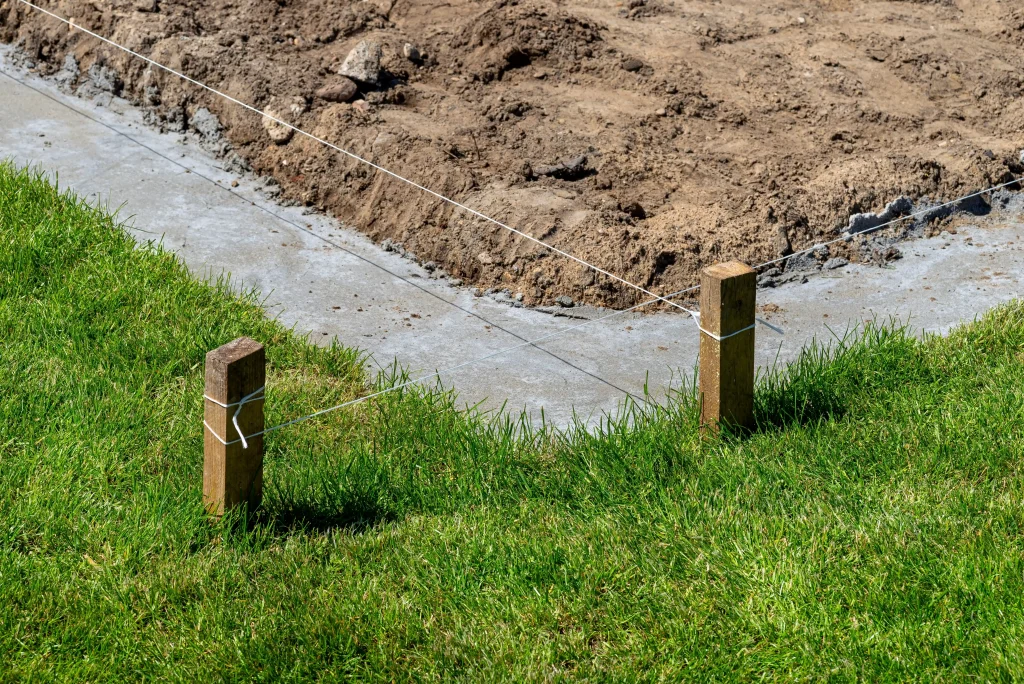
Garden buildings are more popular than ever. Home offices, summer houses, gyms, and hobby rooms let you add usable space without extending your main house. But here is something many people discover too late: that expensive timber building is only as good as what sits underneath it. Every summer, homeowners across Colchester invest thousands in beautiful garden rooms, only to watch them sink, tilt, or develop damp problems within a few years. The problem almost always starts with the foundation. Here is why professional groundwork matters so much for garden buildings. The DIY Foundation Problem Many garden building suppliers suggest simple DIY bases. “Just level some paving slabs” or “lay a few concrete blocks” they say. For a small shed, this might work. For anything larger or more expensive, it is asking for trouble. The issue is that DIY bases rarely account for ground conditions. In Colchester and across Essex, clay-heavy soil is the norm. Clay behaves differently from other soils. It swells when it gets wet and shrinks when it dries out. This seasonal movement puts enormous stress on any structure sitting on top. A paving slab base has no depth. When the clay moves, the slabs move with it. Your garden building ends up with gaps under the floor, doors that stick, and walls that crack. Over time, the whole structure can become unusable. The LABC (Local Authority Building Control) provides guidance on when building regulations apply to outbuildings, which can depend on size, use, and proximity to boundaries. What Happens When Foundations Fail Slab sinking is the most common problem. The ground beneath part of the base settles more than the rest, creating an uneven surface. Floors slope noticeably. Furniture slides across rooms. Water pools in corners instead of draining away. Damp follows shortly after. When a building is not level, gaps open up between the base and the structure. Water gets in through these gaps. Combined with poor ventilation underneath, this creates perfect conditions for rot and mould. Structural damage comes next. Timber frames are designed to sit square and level. When the base moves, the frame twists. Joints open up. Windows and doors become difficult to open. In severe cases, the whole building can become structurally unsafe. All of these problems cost far more to fix than a proper foundation would have cost in the first place. Types of Garden Building Foundations Professional foundation contractors offer several options depending on your building and your site: Foundation Type Best For Key Benefits Concrete slab Most garden buildings Solid, level, durable Concrete pad and beam Large or heavy buildings Handles ground movement Screw piles Sloping sites or tree roots Minimal excavation Reinforced raft Very poor ground Maximum stability A concrete slab is the most common choice for garden offices and summer houses. It provides a solid, level surface that will not move over time. The concrete goes deep enough to sit below the zone where clay movement happens. For larger buildings or sites with difficult ground, pad and beam foundations spread the load across a wider area. This prevents localised sinking even if one part of the ground is softer than another. Ground Conditions in Colchester Colchester sits on a mix of geological formations, but clay is very common. London Clay, in particular, is notorious for causing foundation problems. It can shrink by as much as 10% in dry summers, then swell back when rain returns. Trees make clay problems worse. Tree roots draw moisture from the soil, causing extra shrinkage nearby. If you have large trees close to where your garden building will go, you need foundations designed to cope with this. Professional groundworkers in Colchester understand these local conditions. They know how deep to dig, how much reinforcement to use, and how to design drainage that keeps water away from your foundation. What Professional Installation Includes When you hire concrete foundation contractors for your garden building, you get much more than just concrete in a hole. The process typically includes: Site survey to assess ground conditions, drainage, access, and any obstacles like tree roots or underground services. Design of the right foundation type for your building and your site. This might involve calculations for load-bearing capacity and reinforcement requirements. Excavation to the correct depth, ensuring solid ground at the bottom. In clay soils, this often means going deeper than DIY guides suggest. Formwork to create clean, straight edges for the concrete. This gives you a professional finish that sits square to your building. Reinforcement using steel mesh or rebar. This prevents cracking and adds long-term strength. Concrete pouring with the right mix for the application. The surface is levelled precisely so your building sits flat. Drainage around the base to direct water away. Standing water is the enemy of any foundation. The True Cost of Getting It Wrong That DIY base might save you a few hundred pounds upfront. But consider what happens when problems develop three years down the line. Relevelling a sunken building typically costs more than a professional foundation would have. You have to lift the structure, repair the base underneath, then put everything back. If the building is attached to services like electricity or water, these all need disconnecting and reconnecting. Damp damage often means replacing insulation, flooring, and sometimes wall panels. In a garden office with expensive fit-out, this can cost thousands. In the worst cases, the building cannot be saved at all. All that money spent on the structure itself is wasted. Protecting Your Investment A garden office can cost anywhere from £10,000 to £50,000 or more depending on size and specification. A gym, home cinema, or art studio might cost even more once you add equipment and finishing. These are serious investments. Spending a bit more on proper foundations protects that investment for decades. A well-built concrete base will outlast the building sitting on it. When you eventually want to upgrade or replace the structure, the foundation will still be
Commercial Landscaping: Preparing Your Business Premises for the New Season

First impressions matter in business. When clients, customers, or staff arrive at your premises, the exterior sets the tone for everything that follows. As the brighter months approach, now is the time to think about how your outdoor spaces look and function. Commercial landscaping is about more than just making things pretty. It covers safety, accessibility, and creating practical outdoor areas that work for your business. Here is why investing in professional commercial landscaping contractors in Colchester makes good business sense. Why Your Business Exterior Matters Your building’s exterior is the first thing visitors see. A well-maintained entrance with neat paving and clear pathways tells people you care about quality. A cracked car park with weeds growing through the tarmac sends a very different message. The Health and Safety Executive reports that slips and trips are among the most common causes of workplace injuries. Poor outdoor surfaces, uneven paving, and inadequate drainage all increase these risks. Professional landscaping addresses these issues while improving the look of your premises. Staff also benefit from attractive outdoor spaces. Break areas with proper seating and well-designed walkways make the working day more pleasant. This can help with recruitment and keeping good employees happy. Hard Landscaping for Commercial Properties When we talk about commercial landscaping services in Colchester, hard landscaping often takes centre stage. This includes all the built elements of your outdoor space rather than plants and lawns. Hard Landscaping Element Benefits Block paving Durable, low maintenance, professional appearance Concrete walkways Clear paths for pedestrians, wheelchair accessible Retaining walls Level uneven ground, prevent erosion, add structure Steps and ramps Safe access for all visitors Drainage systems Prevent flooding, protect surfaces Block paving is particularly popular for commercial properties. It handles heavy foot traffic well and comes in many colours and patterns. If a section becomes damaged, individual blocks can be replaced without redoing the entire surface. Improving Safety and Accessibility Every business has a legal duty to provide safe access for visitors and employees. This includes people with disabilities, those using pushchairs, and delivery drivers with trolleys. Professional commercial landscaping contractors consider these needs from the start. They design entrances with gentle gradients rather than steep slopes. They install non-slip surfaces in areas that get wet. They create wide pathways that can accommodate wheelchairs. Proper drainage is essential too. Standing water creates slip hazards and damages surfaces over time. Good landscaping includes channels, drains, and slopes that direct water away from walkways and entrances. Lighting is another safety consideration. Well-placed lights along paths and in car parks help prevent accidents after dark. They also deter unwanted visitors and make staff feel safer. Planning Your Commercial Landscaping Project Before any work begins, a good contractor will survey your site and discuss your needs. Every business is different, so off-the-shelf solutions rarely work as well as tailored designs. Think about how people use your outdoor spaces. Where do vehicles park? Which routes do pedestrians take? Are there delivery areas that need to handle heavy loads? Understanding these patterns helps create a design that works in practice. Consider maintenance too. Some surfaces need more upkeep than others. Block paving may need occasional jet washing to keep it looking fresh. Gravel areas might need topping up over time. Your contractor can advise on what suits your budget and available maintenance time. Retaining Walls and Level Changes Many commercial sites have sloping ground. Retaining walls let you create level areas for car parks, seating zones, or storage. They also prevent soil erosion and keep surfaces stable. Materials for retaining walls range from natural stone to concrete blocks. The right choice depends on the height needed, the loads involved, and the look you want. For small level changes, timber sleepers can work well. Larger drops need engineered solutions with proper drainage behind the wall. Landscaping contractors with groundwork experience understand the engineering requirements. They build walls that will not move or crack over time, even with heavy loads above them. Seasonal Timing for Commercial Projects Spring and early summer are ideal times for commercial landscaping work. The weather is usually dry enough for outdoor construction, and you have time to complete the project before any busy periods later in the year. Starting now also means your new outdoor spaces will be ready to enjoy through the summer. If your business uses outdoor areas for events, meetings, or customer seating, having everything finished before peak season makes sense. Planning early gives you the best choice of contractors too. The best commercial landscaping contractors in Colchester book up quickly during the warmer months. What to Expect from the Process A typical commercial landscaping project follows these stages: First comes the survey and consultation. The contractor visits your site, takes measurements, and discusses what you need. They might take photos and make sketches. Next, they provide a detailed quote. This should break down costs clearly so you know what you are paying for. Any good contractor will explain the materials and methods they plan to use. Once you approve the design, work begins. This might start with clearing the site and preparing the ground. Then comes the main construction phase, whether that is laying paving, building walls, or installing drainage. Finally, there is a handover where the contractor walks you through the completed work. They should explain any maintenance required and provide relevant guarantees. Invest in Your Business Image Your premises represent your brand. A professional, well-maintained exterior shows that you take pride in your business and care about the details. Commercial landscaping is an investment that pays off in customer impressions, staff satisfaction, and practical benefits every day. Contact us today to discuss how we can transform your business premises for the new season.
Why Hire Commercial Landscaping Contractors in Colchester

When you hire commercial landscaping contractors in Colchester, you’re investing in your business’s outdoor environment. Professional landscaping transforms how customers see your property and creates better spaces for your team. Why Choose Professional Landscaping? Commercial landscaping services cover everything your business needs for outdoor spaces. From car parks to green spaces, professional landscaping contractors bring years of experience to every project. Your outdoor environment is the first thing customers notice. A well-maintained property shows your commitment to quality. Research from NHS Forest proves that workplace green spaces improve staff wellbeing, with 44-52% of workers saying attractive outdoor areas matter when choosing where to work. Commercial Landscaping Services We Offer Our commercial landscaping services include a wide range of solutions for businesses across Colchester and Essex: Service What’s Included Hard Landscaping Driveways, car parks, including patios and paved areas Soft Landscaping Garden design, planting, lawns, and sustainable landscaping Groundwork Site preparation, foundations, excavation Drainage Solutions French drains, water management, and eco-friendly systems Benefits of Hiring Commercial Landscaping Contractors High Quality Results Professional contractors deliver high-quality work that lasts. We use proper equipment and materials, services including everything from initial groundwork to final touches. Expert Drainage Solutions Poor drainage causes expensive damage. Our drainage solutions protect your property with sustainable landscaping practices that manage water properly. Time and Cost Savings Doing it yourself costs more when things go wrong. Professional landscaping contractors get your landscaping project done right the first time. Sustainable Landscaping We focus on eco-friendly methods that benefit your business and the environment. Sustainable landscaping reduces maintenance costs and supports local wildlife. What Makes Great Commercial Projects? With over 10 years of experience in Essex and Suffolk, we understand commercial projects need different skills than residential work. Commercial landscaping in Essex and Suffolk requires planning, proper equipment, and expertise. Our team handles: Car park construction Office ground improvements Retail property enhancement Industrial site development Each landscaping project gets our full commitment to quality. We combine hard landscaping and soft landscaping to create outdoor spaces that work for your business. Planning Your Commercial Landscaping Project Start by thinking about what you need. Do you want better car parking? More attractive outdoor spaces? Improved drainage solutions? Professional landscaping contractors can suggest solutions you might not consider. We visit your site, discuss your goals, and provide a clear quote with no hidden costs. Good commercial landscaping services work around your business hours. We plan each landscaping project to minimise disruption, so you can keep operating normally. Why Local Contractors Matter Choosing landscaping contractors based in Essex means faster response times and local knowledge. We understand Colchester’s soil conditions, weather patterns, and what businesses in the area need. L Groundworkers and Landscapers have years of experience serving commercial clients across Essex and Suffolk. Our reputation is built on reliable service and excellent results. Creating Better Outdoor Spaces Whether you need services including patios, car parks, or complete site preparation, we deliver professional landscaping that adds value to your property. Our wide range of commercial landscaping services means we handle everything from groundwork to final planting. Each project shows our commitment to quality and attention to detail. Get Started Today Contact us today to find out how professional commercial landscaping can transform your Colchester property. We offer free quotes and honest advice for all commercial projects. With our years of experience and commitment to quality, we create outdoor spaces that make your business stand out. From sustainable landscaping to practical drainage solutions, we bring expertise to every job. Don’t settle for poor outdoor spaces. When you hire commercial landscaping contractors with proven experience, you get results that last. Contact us today to discuss your landscaping project and discover what professional service really means.
Why Does My Garden Get Waterlogged and How Can Drainage Fix It?

Have you ever wondered, “Why does my garden get waterlogged” after heavy rain? If you see pools of water that won’t go away or plants looking sick despite lots of rainfall, you have a waterlogging garden problem – one of the most annoying issues for UK gardeners. The good news? Any waterlogging problem can be fixed. Understanding why excess water builds up is your first step to creating healthy, well-drained soil. What Is Garden Waterlogging? A waterlogged garden happens when your soil gets completely soaked, and water won’t drain away. Think of a sponge that’s totally full – it can’t soak up any more water. When this happens, the tiny air spaces in your soil fill with water instead of oxygen. Plant roots need air to breathe properly, so they start dying. This leads to poor root growth and sick plants. Why Does Your Garden Get Waterlogged? Several things can make gardens prone to waterlogging: Clay Soils Clay soils are the main cause of waterlogged soils. These heavy soils have tiny particles that stick together, making water drainage very slow. If you’ve tried digging wet clay with a garden fork, you know how sticky it gets. Clay soils naturally prevent water from moving through, creating perfect conditions for waterlogging problems. Poor Drainage Sometimes waterlogged soils happen because of what’s under the surface. Hard layers of rock, concrete, or packed earth act like barriers that prevent water from draining naturally. These blocks stop normal water from draining, forcing excess water to build up above ground. Low-Lying Gardens Gardens at the bottom of slopes collect excess water that runs downhill. If your neighbour’s garden is higher than yours, their rainwater often ends up in your space. This makes some gardens naturally prone to waterlogging. Packed Soil When soil gets squashed from people walking on it or heavy machines, the spaces that let water drain get crushed shut. This forces excess water to sit on top instead of soaking through, creating a waterlogging garden. How Waterlogging Hurts Your Plants Waterlogged soils don’t just look messy – they really harm your plants: Damaged Plant Roots: Healthy plant roots need oxygen to work properly. In waterlogged conditions, plant roots can’t breathe and start rotting. This is why plants in soggy soil look wilted even though there’s plenty of water. Slow Root Growth: Without proper drainage, root growth slows down or stops completely. Weak root systems mean weak plants that can’t grow well in waterlogged soils. Food Problems: Waterlogged soils make it hard for plant roots to get the food they need. The food either washes away or the damaged roots can’t take it up. Disease: Soggy conditions are perfect for nasty fungi and bacteria that attack plant roots. Professional Ways to Improve Drainage Serious waterlogging problems need proper drainage solutions for long-term success. Skilled groundwork contractors know how to check drainage issues and create systems that prevent waterlogging for years. French Drains French drains work like underground rivers for excess water. They’re trenches filled with gravel and special pipes with holes that collect water and move it away from problem areas. French drains are great for preventing waterlogging whilst helping improve drainage across bigger areas. Soakaways A soakaway is an underground pit where surface water can slowly soak into the surrounding well-drained soil. These work really well for managing water from roofs and patios that might create waterlogged areas, helping prevent water from building up where you don’t want it. Land Drainage Systems These are networks of buried pipes with holes that collect groundwater and channel it away from your garden. A proper drainage system like this works well for larger areas, giving long-term protection against waterlogging problems. Simple Steps to Fix Your Soil Whilst waiting for professional help, you can start working to improve drainage in your waterlogged garden: Add Organic Matter: Mix compost or well-rotted manure into clay soils using a garden fork. Organic matter helps improve the soil structure by making better paths for water to drain naturally. Don’t Walk on Wet Soil: This stops more packing, which makes waterlogging problems worse and helps keep the soil structure you’re trying to improve. Pick the Right Plants: Some tree and shrub types can actually thrive in waterlogged conditions and help dry out problem areas naturally. These plants often have deep roots that can help improve drainage over time. Long-Term Benefits of Good Drainage Good drainage completely changes waterlogged gardens: Healthier Plants: Well-drained soil lets plant roots get both water and air, helping root growth and plant health in the long term. More Plant Choices: Most garden plants prefer drained soil, so fixing waterlogging problems gives you many more planting options. Usable Garden: No more avoiding soggy patches or waiting days after rain to use your garden. Easier Work: Well-drained soil is much easier to work with using basic tools like a garden fork. Prevent Water Damage: Good drainage systems prevent water from damaging building foundations or creating damp problems that could cost lots of money in the long term. Getting Professional Help Whilst small drainage improvements might be DIY jobs, serious waterlogging problems usually need professional help. Expert landscaping contractors can: Check your soil type and drainage problems to prevent waterlogging properly Design drainage solutions that work with your garden’s natural features Install proper systems without damaging existing plant roots Make sure water goes to the right places for long-term success Combine drainage improvements with other garden work, like tree and shrub planting Prevent Waterlogging in Future Once you’ve fixed existing waterlogging problems, you can stop them from happening again: Regularly add organic matter to keep good soil structure and improve drainage naturally Don’t walk on wet soil to maintain healthy water drainage ability Choose plants wisely – some tree and shrub types that thrive in waterlogged conditions can help manage excess water Check your drainage system regularly to make sure it keeps working Conclusion When you ask, “Why does my garden get waterlogged?”,
How Can Landscaping Improve Drainage Around Your Property?

Effective drainage is one of the most crucial yet often overlooked aspects of property maintenance. At L Groundworks, we’ve seen countless properties suffer from water-related problems that could have been prevented through thoughtful landscaping and drainage solutions. The relationship between landscaping and drainage is intricate and vital – when done correctly, strategic landscaping can transform problematic areas into beautiful, functional spaces that naturally manage water flow and protect your property from damage. Poor drainage doesn’t just create unsightly puddles or waterlogged lawns; it can lead to serious structural problems, basement flooding, foundation damage, and costly repairs. Understanding how landscaping can improve drainage around your property is essential for maintaining both the aesthetic appeal and structural integrity of your home. Understanding Water Flow and Natural Drainage Before implementing any landscaping solutions, it’s essential to understand how water naturally behaves around your property. Water always follows the path of least resistance, flowing from higher elevations to lower ones, and this fundamental principle guides all effective drainage landscaping strategies. Observing your property during heavy rainfall can reveal valuable information about existing drainage patterns. Areas where water pools, flows rapidly, or causes erosion indicate drainage challenges that landscaping can address. Natural drainage follows the contours of your land, and successful landscaping works with these natural patterns rather than against them. The concept of catchment areas is crucial to understanding property drainage. Your property sits within a larger catchment area that includes neighbouring properties, roads, and natural features. Water from these areas may flow onto your property, and similarly, water from your property affects your neighbours. Effective landscaping considers these broader drainage patterns to create solutions that work harmoniously within the local environment. Soil composition plays a significant role in drainage characteristics. Clay soils, common throughout much of the UK, tend to retain water and create drainage challenges, whilst sandy soils drain more rapidly but may require different landscaping approaches. Understanding your soil type is essential for selecting appropriate landscaping solutions that will effectively manage water flow. Strategic Grading and Contouring One of the most effective landscaping techniques for improving drainage is strategic grading and contouring. This involves reshaping the land around your property to direct water flow away from foundations, buildings, and other vulnerable areas towards appropriate drainage points. The principle of positive drainage requires that water flows away from structures rather than towards them. This typically involves creating gentle slopes that guide water from high points near buildings towards lower areas where it can be safely managed or absorbed. The ideal slope for effective drainage is typically between 1% and 5%, providing sufficient gradient for water movement without creating erosion problems. Contouring can create natural-looking undulations in your landscape that serve both aesthetic and functional purposes. These gentle hills and valleys can direct water flow whilst creating visual interest and opportunities for varied planting schemes. Professional contouring considers both immediate drainage needs and long-term landscape stability. Berms and swales represent more pronounced contouring features that can dramatically improve drainage. Berms are raised areas that redirect water flow, whilst swales are shallow depressions that collect and channel water. These features can be seamlessly integrated into landscape design to create attractive, functional drainage solutions. Plant Selection for Drainage Management Strategic plant selection is one of the most powerful tools for improving property drainage through landscaping. Different plants have varying water requirements and root structures that can either help or hinder drainage efforts. Understanding these characteristics allows for the creation of plant communities that naturally manage water flow whilst creating beautiful landscapes. Water-loving plants, or hydrophytes, thrive in areas with consistent moisture and can help absorb excess water from problematic areas. These plants include various sedges, rushes, and moisture-loving perennials that can transform boggy areas into attractive planted features. However, these plants should be used strategically, as they can also indicate underlying drainage problems that may require additional solutions. Deep-rooted plants can help improve soil structure and drainage by creating channels through compacted soil layers. Trees and large shrubs are particularly effective in this regard, as their extensive root systems can help break up clay soils and improve water infiltration. However, plant selection must consider mature size and root behaviour to avoid future problems with foundations or utilities. Drought-tolerant plants can be valuable in areas where improved drainage creates drier conditions. These plants, once established, require minimal irrigation and can thrive in well-drained soils. Mediterranean plants, ornamental grasses, and many native species fall into this category and can create attractive, low-maintenance landscapes in improved drainage areas. Ground cover plants can play a crucial role in preventing erosion whilst improving water infiltration. Plants with dense root systems help bind soil particles together, preventing erosion during heavy rainfall whilst allowing water to penetrate the soil rather than running off the surface. Rain Gardens and Bioswales Rain gardens represent one of the most effective and attractive landscaping solutions for managing stormwater runoff. These shallow depressions are designed to capture and absorb rainwater from roofs, driveways, and other hard surfaces, preventing it from contributing to flooding or erosion problems. A well-designed rain garden typically consists of three zones: a bottom zone that holds water temporarily during heavy rainfall, a middle zone with plants that can tolerate both wet and dry conditions, and an upper zone with plants that prefer drier conditions. This layered approach ensures that the rain garden functions effectively across various weather conditions whilst providing year-round visual interest. The sizing of rain gardens is crucial for their effectiveness. Generally, a rain garden should be approximately 20-30% the size of the drainage area it serves. This ensures adequate capacity for typical rainfall events whilst preventing the garden from becoming waterlogged during extended wet periods. Bioswales are linear features that capture and filter stormwater runoff whilst providing attractive landscaping elements. These engineered systems can be integrated into property boundaries, alongside driveways, or as decorative features that serve dual purposes. Bioswales typically include engineered soil media, under-drainage systems, and carefully selected plants that can handle periodic flooding. The environmental benefits
Can Quality Landscaping Really Boost Your Property Value?

When it comes to increasing property value, homeowners often focus on kitchen renovations, bathroom upgrades, or loft conversions. However, one of the most cost-effective ways to enhance your home’s market appeal and financial worth is right outside your door. At L Groundworks, we’ve seen firsthand how quality landscaping can significantly impact property values, and the evidence is compelling. The Numbers Don’t Lie Multiple studies and property experts consistently confirm that well-executed landscaping offers an impressive return on investment: Research from the Royal Institution of Chartered Surveyors suggests that a well-maintained garden can add between 5-20% to your property’s value Estate agents report that homes with attractive landscaping sell up to 15% faster than those without Properties with mature trees and established gardens typically command 7-19% higher prices than comparable homes with minimal landscaping Well-designed outdoor living spaces can deliver ROI figures of 150-200% at sale time But what makes landscaping such a powerful value-adding investment? Let’s explore the key factors. First Impressions Matter Enormously The concept of “kerb appeal” isn’t just estate agent jargon—it’s a genuine psychological factor in property valuation: Potential buyers form opinions about a home within the first 7-10 seconds of seeing it The approach and exterior of your property create a powerful framework through which everything else is judged A neglected garden or uninspiring entrance suggests potential maintenance issues throughout the property Beautiful landscaping creates positive expectations before a buyer even steps through the front door Well-planned front garden landscaping serves as a visual invitation, creating an emotional connection that often translates directly into higher offers. Expanding Usable Living Space One of the most valuable aspects of professional landscaping is how it effectively expands your home’s functional footprint: Thoughtfully designed patios, terraces and outdoor seating areas are increasingly viewed as additional “rooms” Properties offering defined outdoor entertaining spaces appeal to a broader market of potential buyers In the post-pandemic property market, outdoor living spaces have become essential rather than optional features Cost per square metre for outdoor living space is typically 5-10 times less expensive than indoor renovations By transforming your garden into a functional extension of your home, you’re not just improving aesthetics—you’re expanding your property’s usable square footage in the most cost-effective way possible. Environmental Benefits That Buyers Value Today’s property buyers are increasingly environmentally conscious, and quality landscaping offers tangible benefits that modern purchasers seek: Mature trees provide natural cooling, reducing summer energy costs by up to 25% Properly positioned plantings can offer windbreaks that lower winter heating bills Permeable paving solutions and rain gardens help manage stormwater sustainably Native planting schemes require less maintenance and support local biodiversity These environmental advantages aren’t just ethically appealing—they represent ongoing cost savings that savvy buyers factor into their purchasing decisions. Creating Distinctive Character in Standardised Developments In areas with similar housing stock, distinctive landscaping provides valuable differentiation: Custom landscape designs help your property stand out in neighbourhoods with architectural uniformity Thoughtful planting schemes can create privacy and seclusion even in relatively dense developments Unique outdoor features become memorable selling points that estate agents can highlight Personalised gardens help transform a “house” into a “home” in the eyes of potential buyers When similar properties compete in the same market, exceptional landscaping can be the deciding factor that commands premium offers. Which Landscaping Investments Deliver the Best Returns? Not all outdoor improvements offer equal value. Here are the landscaping investments that typically deliver the strongest returns: Professional Design and Installation Professional design ensures a cohesive, balanced approach that maximises visual impact and functionality Expert installation guarantees longevity and proper function of all landscape elements Professionally installed gardens require proper groundworks, drainage and foundations—our speciality at L Groundworks High-Quality Hard Landscaping Premium paving and patios create immediate visual impact and lasting value Well-constructed stone walls, steps and borders demonstrate quality craftsmanship Outdoor kitchens and fire features extend seasonal use of garden spaces Properly installed lighting systems enhance security while creating evening ambiance Strategic Planting Schemes Mature specimen trees can individually add thousands to property value Low-maintenance evergreen structural plantings provide year-round appeal Thoughtfully positioned privacy screening addresses a common buyer concern Seasonal interest ensures the garden remains attractive throughout the year Water Features Moving water creates a sense of tranquility highly valued in urban environments Professionally installed water features become focal points that distinguish your property Self-contained designs offer visual benefits without maintenance concerns Avoiding Landscaping Pitfalls That Can Decrease Value While quality landscaping increases value, certain approaches can actually detract from a property’s worth: Over-personalised designs that potential buyers would feel compelled to change High-maintenance features like extensive lawns in drought-prone areas or elaborate topiary requiring constant attention Poor quality materials that will visibly deteriorate before you sell Amateur installation that suggests potential drainage or structural issues Trends and fads that may quickly become dated Professional landscaping avoids these pitfalls through thoughtful design and proper installation techniques. The L Groundworks Approach to Value-Adding Landscaping At L Groundworks, we understand that landscaping isn’t just about aesthetics—it’s a strategic investment in your property’s value. Our approach emphasises: Proper groundworks and drainage that ensure long-term durability High-quality materials that weather beautifully over time Design that complements your property’s architectural style Balance between immediate impact and long-term growth Appropriate scale and proportion for your specific space We believe that exceptional landscaping begins below the surface, with proper foundations and infrastructure that support stunning visible elements. When to Invest in Landscaping for Maximum Return Timing your landscaping investment can significantly impact your return: Implement major landscaping at least 1-2 years before selling to allow plants to establish Consider seasonal timing—spring and early summer listings benefit from gardens at their peak Coordinate landscaping with other exterior improvements like painting or roof work Plan installation during optimal planting seasons for best establishment and growth The Bottom Line: Landscaping as a Strategic Investment Quality landscaping represents one of the few home improvements that actually appreciates over time. While kitchens and bathrooms begin depreciating immediately, properly selected trees and gardens increase in value as they
What Are the Latest Trends in Residential Landscaping?

You’re probably noticing a shift in how residential landscaping is evolving, aren’t you? It’s not just about aesthetics anymore—people are integrating sustainability and biodiversity into their designs. From using native plants and creating edible gardens to adopting smart technology like automated irrigation systems, homeowners are redefining outdoor spaces. Have you thought about how water-efficient solutions and wildlife-friendly designs can transform your garden into an eco-friendly haven? It’s intriguing how these trends reflect an increasing awareness of environmental stewardship. But there’s more to uncover about how these changes are reshaping our living spaces. Key Takeaways – Sustainable landscaping emphasises native plants, composting, and rainwater harvesting to reduce environmental impact and support local ecosystems. – Smart technology, including automated irrigation and maintenance systems, optimises plant care and resource usage. – Water-efficient solutions like drip irrigation and xeriscaping minimise water use and enhance garden sustainability. – Outdoor living spaces focus on eco-friendly materials and energy-efficient designs for aesthetic and functional appeal. – Wildlife-friendly designs integrate native plants and habitats, promoting biodiversity and ecological balance. Sustainable Landscaping Practices In recent years, sustainable landscaping practices have become vital in creating eco-friendly and efficient residential landscapes. By incorporating composting techniques and using organic materials, you can greatly enhance the health and sustainability of your outdoor spaces. Start by setting up a composting system tailored to your needs, whether it’s a simple bin or a more elaborate tumbler. This allows you to recycle kitchen scraps and yard waste, turning them into nutrient-rich compost that nourishes your plants without synthetic fertilisers. Focus on selecting organic materials for your landscape design. Organic mulch, for example, not only improves soil health but also aids in moisture retention, reducing the need for frequent watering. When laying down pathways or creating garden borders, consider materials like reclaimed wood or natural stone, which are both durable and eco-friendly. It’s important to plan your landscape layout with sustainability in mind. Design areas that maximise sunlight exposure and integrate efficient irrigation systems that minimise water usage. Native Plant Integration Embracing sustainable landscaping practices naturally leads to the integration of native plants, a key component in designing eco-friendly gardens. By using plants that are adapted to your local climate and soil conditions, you reduce the need for extensive irrigation and chemical inputs. Native plants offer a resilient option that thrives with minimal intervention, making your garden not only beautiful but also sustainable. To create a vibrant and dynamic landscape, consider incorporating native species that provide seasonal colour. These plants will guarantee that your garden remains visually appealing throughout the year. Think of using native wildflowers that bloom at different times, providing a succession of colours from spring through fall. This approach not only enhances aesthetic appeal but also supports local ecosystems. Pollinator gardens are another significant aspect of native plant integration. By selecting plants that attract bees, butterflies, and other pollinators, you’re contributing to the health of these essential creatures. Native plants are particularly effective in this regard, as they’ve co-evolved with local pollinators. Design your garden with clusters of native flowering plants to create a habitat that supports biodiversity and encourages pollinator visits. This practice fosters a thriving, interconnected ecosystem right in your backyard. Edible Gardens Transform your outdoor space into a sustainable foodscape by incorporating edible gardens, a growing trend among eco-conscious homeowners. This approach not only enhances your landscape’s aesthetic but also promotes urban agriculture, allowing you to cultivate your own fresh produce. Start by evaluating your garden’s microclimate and soil conditions to determine suitable crops, from herbs to vegetables and fruits. By integrating these elements, you’ll reduce your carbon footprint and foster a more resilient ecosystem. Consider vertical gardening techniques to maximise limited spaces, especially in urban settings where land might be scarce. Vertical structures can support climbing plants like tomatoes, cucumbers, or beans. These installations aren’t only efficient but also add an intriguing visual dimension to your garden design. Use materials like recycled pallets or modular systems that can be easily adapted to your landscape’s layout. Plan your garden layout strategically to guarantee ideal sunlight exposure and companion planting, which can naturally deter pests. By incorporating rainwater harvesting systems and composting practices, you can further enhance the sustainability of your edible garden. Ultimately, this design-focused approach to urban agriculture is a practical and environmentally-friendly solution that redefines contemporary residential landscaping. Smart Technology Use As you cultivate your edible garden, harnessing smart technology can further elevate the efficiency and sustainability of your landscape. By integrating smart irrigation systems, you optimise water usage, ensuring each plant receives the precise amount it needs. This not only conserves water but also promotes healthier plant growth. Smart irrigation controllers adjust based on weather patterns, soil moisture levels, and plant types, reducing waste and preventing overwatering. Incorporating automated maintenance solutions simplifies your landscaping routine. Imagine a system where sensors and apps monitor soil health, predict plant needs, and alert you to issues before they escalate. Automated lawn mowers and robotic weeding devices can save you time and labour, keeping your landscape pristine with minimal effort. These tools are designed to work harmoniously with your garden’s unique layout, adapting to its specific requirements. Choosing technology that aligns with your sustainability goals is essential. Opt for systems that integrate renewable energy sources, like solar-powered sensors or energy-efficient devices. Water-Efficient Solutions Maximising water efficiency in your landscape design is a crucial step toward sustainability. By incorporating water-efficient solutions, you not only reduce your ecological footprint but also create a visually appealing and resilient garden. Begin with drip irrigation systems, which deliver water directly to the root zones, minimising evaporation and runoff. This targeted approach guarantees that each plant receives the exact amount of water it needs, reducing waste and promoting healthier growth. Consider integrating xeriscaping techniques into your design. These methods involve selecting drought-resistant plants