
Groundwork Companies in Colchester: What’s Actually Included in a Contract?
Hiring a groundwork company is a big decision. Whether you are building an extension, putting in new foundations, or having a driveway laid, you will be asked to sign a contract before work begins. But what should that contract actually include? Many homeowners and developers in Colchester sign contracts without fully understanding what they are agreeing to. That can lead to surprise costs, delays, or disagreements about who is responsible for what. This guide breaks down what a proper groundwork contract should cover, so you know what to look for before you commit. What a Good Groundwork Contract Should Include Here is a breakdown of the key sections you should expect to see in any contract from reputable groundwork companies in Colchester. 1. Scope of Works This is the most important part. The scope of works is a detailed description of everything the contractor will do. It should be specific about the area to be excavated, the depth required, what happens to the dug-out soil, and whether any existing structures will be removed. If it is vague, ask for it to be rewritten before you sign. 2. Materials to Be Used The contract should name the materials being used, such as the grade of concrete for foundations, drainage pipe specifications, or block paving type. This makes it harder for a contractor to swap in cheaper alternatives without your knowledge, and helps you confirm everything meets building regulations. For guidance on structural standards in England, the GOV.UK Approved Document A: Structure sets out the building regulations all contractors must follow. 3. Project Timeline The contract should include a clear start date and an estimated completion date. For larger jobs, it should also show milestone dates. Timelines can shift due to weather or unexpected ground conditions, but a good contractor will keep you informed. Check that the contract states how changes to the schedule will be communicated. 4. Payment Terms This section should outline the total cost, any upfront deposit, when stage payments fall due, and whether VAT is included. Be cautious of contractors who ask for a large deposit before work starts. Most reputable groundwork companies will tie payments to progress on site. 5. Insurance Any legitimate contractor should carry public liability insurance. This covers damage to your property or injuries to third parties during the works. Ask to see proof before signing. If they cannot provide it, do not hire them. 6. Variations Clause A variations clause covers what happens if the scope of work changes mid-project. For example, if unexpected ground conditions require deeper foundations, this counts as a variation. The clause should explain how changes are agreed in writing, how extra costs are calculated, and who must sign off before additional work begins. Without this, you could face unexpected bills with no way to dispute them. 7. Defects Period Some contracts include a defects liability period, typically 6 to 12 months after completion, during which the contractor will return to fix any issues that arise. This is especially useful for foundations, drainage, and block paving, where problems may not appear straight away. Check what is and is not covered. Quick Reference: What to Check Before You Sign Contract Section What to Look For Scope of Works Specific tasks, dimensions, and inclusions Materials Named products, grades, and specifications Timeline Start date, end date, and milestone dates Payment Terms Deposit amount, stage payments, VAT clarity Insurance Public liability cover confirmed in writing Variations Process for agreeing and pricing changes Defects Period Duration and what is covered Red Flags to Watch Out For Not all groundwork quotes are equal. Watch out for these warning signs: No written contract. Any contractor who refuses to put things in writing is one to avoid. Vague scope of works. If it just says “groundwork” with no detail, ask for more. No mention of insurance. This is a serious risk for you as the homeowner. Price that seems too low. Very cheap quotes often mean corners are being cut on materials or labour. Pressure to sign quickly. A reputable contractor will give you time to read everything and ask questions. Work With a Contractor You Can Trust At LGL Groundworks, we believe in being clear and straightforward with every client. Our quotes set out exactly what is included, what materials will be used, and what everything costs. We carry full public liability insurance and are happy to talk through any part of the contract before you commit. With over 10 years of experience across Essex and Suffolk, our team delivers to the highest standards on every project. You can find out more on our about us page, or get in touch today for a free, no-obligation quote.
How Much Do Groundworks Cost in Colchester? A 2026 Price Guide
If you are planning a construction project in or around Colchester, one of your first priorities should be understanding what groundworks are likely to cost. Groundwork forms the backbone of any build, and getting a realistic picture of the costs involved before you commit will help you budget accurately and avoid unwelcome surprises down the line. This guide covers typical groundwork costs in the Colchester area for 2026, including day rates, project costs by type, and the key factors that influence pricing in this part of Essex. What Are Groundworks? Groundworks refers to all construction activity that takes place at or below ground level before the main build begins. It is a broad category that typically covers excavation, site preparation and clearance, drainage installation, sub-base laying, and foundation construction. Each of these elements plays a critical role in ensuring that whatever is built above ground remains stable and structurally sound for years to come. Because groundwork is largely hidden once a project is complete, it is sometimes underestimated in budgeting — but cutting corners at this stage can lead to serious and expensive problems later. Our team of groundwork contractors in Essex and Suffolk has been delivering reliable groundwork solutions across Colchester and the surrounding region for over ten years. Typical Groundwork Day Rates in Colchester (2026) Most contractors will price groundwork either by the day or as a fixed project cost. The table below outlines typical day rates you might encounter when sourcing groundwork quotes in Colchester in 2026: Type of Worker or Equipment Typical Day Rate (2026) Groundwork labourer £180 – £250 per day Skilled groundworker £250 – £350 per day Plant operator (with machine) £400 – £600 per day Mini digger hire (without operator) £150 – £250 per day Full excavator hire (without operator) £300 – £500 per day These figures are indicative only. Your actual costs will depend on the scope, complexity, and location of your project. Groundwork Costs by Project Type 1. Site Preparation and Clearance Before construction can begin in earnest, the ground must be cleared, levelled, and made ready. Depending on the site, this can involve removing topsoil, vegetation, old structures, concrete, or general debris. Typical cost: £500 – £3,000+ The price varies considerably based on the size of the site and the volume of material that needs to be removed or taken off-site for disposal. 2. Excavation Excavation involves digging out soil or rock to the required depth and profile. The cost is influenced by several variables, including the depth and volume of material being removed, the type of soil present, how easy it is to access the site with machinery, and whether excavated material needs to be transported away. Typical cost: £50 – £100 per cubic metre (including disposal) For a standard residential project in Colchester, excavation volumes can range from 10 cubic metres for a small job to well over 100 cubic metres for an extension or new build plot. This means excavation costs alone can fall anywhere between £500 and £10,000 or more, depending on the scale of the work. The Health and Safety Executive provides detailed guidance on the safety standards that must be met during excavation work, which is useful background reading for anyone commissioning this type of project. You can find their excavation safety guidance on the HSE website. 3. Drainage Installation Effective drainage is a fundamental requirement for any property. Inadequate drainage can result in waterlogged ground, subsidence risk, and costly structural damage that far outweighs the original cost of doing the job properly. Typical costs: Basic soakaway installation: £500 – £1,500 French drain installation: £1,000 – £3,000 Full residential drainage system: £2,000 – £6,000+ Costs increase significantly on commercial sites or where deeper trench work or specialist drainage solutions are required. 4. Sub-Base Preparation A sub-base is a compacted layer of crushed stone or hardcore laid beneath a driveway, patio, or structural slab. Its purpose is to distribute weight evenly and prevent settlement or cracking over time. Typical cost: £20 – £45 per square metre For a 50-square-metre driveway, sub-base preparation alone could cost between £1,000 and £2,250 before any surfacing material is added. 5. Foundation Costs Foundations are arguably the most critical element of any build, and the type required will depend on the size of the structure, local ground conditions, and building regulations. The table below gives a broad indication of costs: Foundation Type Typical Cost Strip foundations (small extension) £2,500 – £6,000 Trench fill foundations £3,500 – £8,000 Raft foundations £8,000 – £20,000+ Pile foundations £10,000 – £30,000+ Our specialist foundation contractors in Essex and Suffolk can assess your site and recommend the most appropriate solution, with a free, no-obligation quote included as standard. What Affects Groundwork Costs in Colchester? A number of site-specific and logistical factors will influence the final cost of any groundwork project in the Colchester area. Soil conditions play a significant role. Colchester sits on a varied geological mix of clay, gravel, and sandy soils. Clay-heavy ground is more difficult to excavate, retains water more readily, and often demands additional drainage measures. Sites with made-up or disturbed ground from previous development add further complexity. Access is another important consideration. Restricted access — such as a narrow side entrance or a rear garden with no vehicle access — may prevent machinery from reaching the work area, increasing the need for manual labour and extending the time on site. Depth of excavation directly affects cost, since deeper digs generate more spoil to dispose of and require more time to complete safely. Groundwater levels in low-lying areas near Colchester’s river corridors can complicate excavation and drainage work, requiring additional pumping or specialist dewatering measures. Waste disposal is often overlooked in initial budgeting. Excavated soil must be disposed of responsibly, and where contaminated material is identified, the cost of licensed disposal can be considerable. Getting the Best Value from Your Groundwork Quotes To ensure you receive fair and accurate groundwork quotes in Colchester, it is
How Groundworks Colchester Prevents Future Property Issues

When building or extending a property in Colchester, the groundwork you cannot see is just as important as the walls you can. Poor groundwork is like building a house on shaky ground – it might look fine today, but problems will appear later. Professional groundwork contractors know that quality groundworks stop issues before they start and save you thousands of pounds in future repairs. Why Poor Groundwork Causes Problems Many property owners do not realise that most serious building problems start below ground level. Water damage, cracked walls, and uneven floors often come from poor groundwork during construction. When site preparation is rushed or drainage is poorly installed, problems can take years to appear but cost a fortune to fix. Think about small cracks appearing around door frames. These seem minor at first, but they are warning signs of foundation movement caused by poor soil preparation or bad drainage. Professional groundworks prevent these issues by fixing potential problems during the building phase. Key Groundwork Steps That Protect Your Property Soil Testing Before any digging begins, professional contractors check the soil thoroughly. Clay soils, which are common in Essex including Colchester, can expand when wet and shrink when dry. This movement puts stress on foundations. According to the Planning Portal’s building regulations guidance, foundations in clay soils must typically be at least 750mm deep to avoid ground movement problems. However, the exact depth depends on local soil conditions, nearby trees, and the building’s weight. Professional soil testing finds these factors before construction starts. Proper Drainage Water is the enemy of building foundations. When rainwater cannot drain away properly, it pools around foundations, increasing pressure and causing slow damage. Professional drainage includes surface water drainage, soakaways, French drains, and stormwater systems. Installing these systems during groundwork costs much less than adding them after construction is complete. More importantly, proper drainage prevents water damage that leads to expensive foundation repairs and damp problems. Correct Digging Depths Digging must reach the right depth to provide stable support. Professional contractors know that digging depth depends on several factors: Factor Impact on Digging Soil Type Clay needs deeper foundations than sandy soil Building Height Two-storey buildings need deeper foundations Nearby Trees Tree roots can need depths of 3 metres or more Previous Ground Use Backfilled areas need digging to solid ground Water Table Level High water tables may need special designs The Planning Portal says that foundations cannot be poured until solid ground has been found. This means digging through any backfilled areas, topsoil, or unstable material to reach firm ground. Ground Preparation After digging, the ground must be properly prepared and packed down. This creates a stable base that spreads the building’s weight evenly. Poor packing leads to uneven settling, which causes cracks in walls, sloping floors, and doors that do not close properly. Real Example: Extension in Colchester A homeowner wanted to add a two-storey extension in Colchester. The garden had mature oak trees within 15 metres of the proposed extension. Professional foundation services checked the soil and found clay soil with high plasticity. The groundwork contractors dug to 2.5 metres depth and installed reinforced foundations. They also created a drainage system to manage rainwater. The extra cost for deeper foundations was about £1,200. Five years later, the neighbour who built a similar extension without professional soil analysis faced £15,000 in repair costs after cracks appeared. The initial investment in proper groundworks saved the first homeowner over £13,000 whilst keeping their extension structurally sound. Building Regulations Matter Building regulations exist to protect property owners from poor construction. Professional groundwork contractors make sure all work meets regulations covering foundations, drainage, and site preparation. This is not just about passing inspections – it is about making sure your property is safe, stable, and built to last. Proper building regulations also affect property value and insurance. Properties with proper building control certificates sell for higher prices and are easier to sell. Insurance companies may refuse claims related to structural damage if building regulations were not followed during construction. Why Quality Groundworks Save Money Consider these typical repair costs for groundwork problems: Foundation repairs: £10,000 to £50,000 Drainage system installation after construction: £5,000 to £15,000 Fixing subsidence damage: £15,000 to £75,000 Repairing damp problems: £3,000 to £10,000 Professional groundworks typically cost 15-20% more than budget options, but this small extra investment removes the risk of these expensive repairs. Choosing Professional Services When selecting complete outdoor solutions for your project, look for contractors who show good knowledge of local soil conditions, drainage needs, and building regulations. Professional contractors should offer detailed site surveys, clear explanations, building regulations knowledge, references from previous projects, proper insurance, and transparent pricing. The cheapest quote is rarely the best value. Focus on contractors who invest time in understanding your specific site conditions. Protecting Your Investment Your property represents one of your largest financial investments. Professional groundworks in Colchester provide the stable, well-drained base that every building needs to remain structurally sound for decades. When planning any construction project, invest in professional groundwork services that focus on long-term stability over short-term cost savings. Quality groundworks are not an expense – they are insurance against future problems and the smart choice for any property owner in Colchester who values quality construction that stands the test of time.
The Hidden Foundations: Why Your Garden Building Needs Professional Groundwork
Garden buildings are more popular than ever. Home offices, summer houses, gyms, and hobby rooms let you add usable space without extending your main house. But here is something many people discover too late: that expensive timber building is only as good as what sits underneath it. Every summer, homeowners across Colchester invest thousands in beautiful garden rooms, only to watch them sink, tilt, or develop damp problems within a few years. The problem almost always starts with the foundation. Here is why professional groundwork matters so much for garden buildings. The DIY Foundation Problem Many garden building suppliers suggest simple DIY bases. “Just level some paving slabs” or “lay a few concrete blocks” they say. For a small shed, this might work. For anything larger or more expensive, it is asking for trouble. The issue is that DIY bases rarely account for ground conditions. In Colchester and across Essex, clay-heavy soil is the norm. Clay behaves differently from other soils. It swells when it gets wet and shrinks when it dries out. This seasonal movement puts enormous stress on any structure sitting on top. A paving slab base has no depth. When the clay moves, the slabs move with it. Your garden building ends up with gaps under the floor, doors that stick, and walls that crack. Over time, the whole structure can become unusable. The LABC (Local Authority Building Control) provides guidance on when building regulations apply to outbuildings, which can depend on size, use, and proximity to boundaries. What Happens When Foundations Fail Slab sinking is the most common problem. The ground beneath part of the base settles more than the rest, creating an uneven surface. Floors slope noticeably. Furniture slides across rooms. Water pools in corners instead of draining away. Damp follows shortly after. When a building is not level, gaps open up between the base and the structure. Water gets in through these gaps. Combined with poor ventilation underneath, this creates perfect conditions for rot and mould. Structural damage comes next. Timber frames are designed to sit square and level. When the base moves, the frame twists. Joints open up. Windows and doors become difficult to open. In severe cases, the whole building can become structurally unsafe. All of these problems cost far more to fix than a proper foundation would have cost in the first place. Types of Garden Building Foundations Professional foundation contractors offer several options depending on your building and your site: Foundation Type Best For Key Benefits Concrete slab Most garden buildings Solid, level, durable Concrete pad and beam Large or heavy buildings Handles ground movement Screw piles Sloping sites or tree roots Minimal excavation Reinforced raft Very poor ground Maximum stability A concrete slab is the most common choice for garden offices and summer houses. It provides a solid, level surface that will not move over time. The concrete goes deep enough to sit below the zone where clay movement happens. For larger buildings or sites with difficult ground, pad and beam foundations spread the load across a wider area. This prevents localised sinking even if one part of the ground is softer than another. Ground Conditions in Colchester Colchester sits on a mix of geological formations, but clay is very common. London Clay, in particular, is notorious for causing foundation problems. It can shrink by as much as 10% in dry summers, then swell back when rain returns. Trees make clay problems worse. Tree roots draw moisture from the soil, causing extra shrinkage nearby. If you have large trees close to where your garden building will go, you need foundations designed to cope with this. Professional groundworkers in Colchester understand these local conditions. They know how deep to dig, how much reinforcement to use, and how to design drainage that keeps water away from your foundation. What Professional Installation Includes When you hire concrete foundation contractors for your garden building, you get much more than just concrete in a hole. The process typically includes: Site survey to assess ground conditions, drainage, access, and any obstacles like tree roots or underground services. Design of the right foundation type for your building and your site. This might involve calculations for load-bearing capacity and reinforcement requirements. Excavation to the correct depth, ensuring solid ground at the bottom. In clay soils, this often means going deeper than DIY guides suggest. Formwork to create clean, straight edges for the concrete. This gives you a professional finish that sits square to your building. Reinforcement using steel mesh or rebar. This prevents cracking and adds long-term strength. Concrete pouring with the right mix for the application. The surface is levelled precisely so your building sits flat. Drainage around the base to direct water away. Standing water is the enemy of any foundation. The True Cost of Getting It Wrong That DIY base might save you a few hundred pounds upfront. But consider what happens when problems develop three years down the line. Relevelling a sunken building typically costs more than a professional foundation would have. You have to lift the structure, repair the base underneath, then put everything back. If the building is attached to services like electricity or water, these all need disconnecting and reconnecting. Damp damage often means replacing insulation, flooring, and sometimes wall panels. In a garden office with expensive fit-out, this can cost thousands. In the worst cases, the building cannot be saved at all. All that money spent on the structure itself is wasted. Protecting Your Investment A garden office can cost anywhere from £10,000 to £50,000 or more depending on size and specification. A gym, home cinema, or art studio might cost even more once you add equipment and finishing. These are serious investments. Spending a bit more on proper foundations protects that investment for decades. A well-built concrete base will outlast the building sitting on it. When you eventually want to upgrade or replace the structure, the foundation will still be
Why Local Matters: Hiring a Groundworker in Colchester
When you need groundwork done on your property, choosing the right contractor makes all the difference. Many homeowners wonder whether they should hire a national company or find someone closer to home. The truth is, working with a local groundworker in Colchester offers real advantages that bigger companies simply cannot match. What Does a Groundworker Actually Do? Before we look at why local matters, let us explain what groundwork involves. Groundworkers prepare sites for building projects. They handle excavation, lay foundations, install drainage systems and get the land ready for construction. Without proper groundwork, buildings can develop serious problems like subsidence, flooding or structural damage. Professional groundwork contractors in Essex and Suffolk manage everything from small residential jobs to large commercial projects. This includes digging trenches, removing soil, laying pipes and creating stable bases for new structures. The Benefits of Hiring Local Quick Response Times Local groundworkers can reach your site faster. If problems arise during a project, they are just a short drive away. This means less waiting around and quicker solutions when you need them most. Knowledge of Local Conditions Colchester and the surrounding Essex area has specific soil types and ground conditions. Local contractors understand these challenges because they work with them every day. They know which areas have clay soil that holds water and which spots drain quickly. This knowledge helps them plan your project properly from the start. Understanding Local Regulations Building work in the UK must follow specific rules. According to GOV.UK guidance on building regulations, most construction projects need approval to ensure safety and compliance. Local groundworkers know the Colchester area requirements inside out. They understand what local planning authorities expect and can help you avoid costly mistakes. Supporting Your Community When you hire locally, your money stays in the local economy. Local businesses employ local people and often use other local suppliers. This creates a positive cycle that benefits everyone in the Colchester area. Comparing Local vs National Contractors Factor Local Groundworker National Company Response time Same day or next day It may take several days Local knowledge Extensive understanding of the area Limited local experience Communication Direct contact with the team Often through call centres Pricing Competitive, no travel markups May include additional travel costs Flexibility Can adapt quickly to changes Often follows rigid schedules Accountability Reputation tied to the local area Less invested in the local community What to Look for in a Colchester Groundworker Finding the right contractor takes a bit of research. Start by checking how long they have worked in the area. Companies with over ten years of experience have proven they can deliver quality work consistently. Ask about their range of services. Good groundwork contractors should handle site preparation, excavation, drainage installation and foundation work. Having one team manage all these tasks means better coordination and fewer delays. Look at reviews from previous customers. Local contractors rely on word of mouth, so they work hard to keep their reputation strong. Happy customers usually leave positive feedback online. Finally, always get a written quote before work begins. This should detail exactly what the job includes and how much it will cost. Reputable local contractors are happy to provide free estimates so you know what to expect. Making Your Decision Choosing a groundworker is an important decision. The work they do affects everything built on top of it. By hiring locally in Colchester, you get contractors who care about their reputation in the community, understand the local environment and can respond quickly when you need them. Take your time, do your research and choose a team with the experience and knowledge to do the job right. Your property deserves a solid foundation, and local expertise is the best way to achieve it.
Do You Need Planning Permission for Groundworks Colchester?
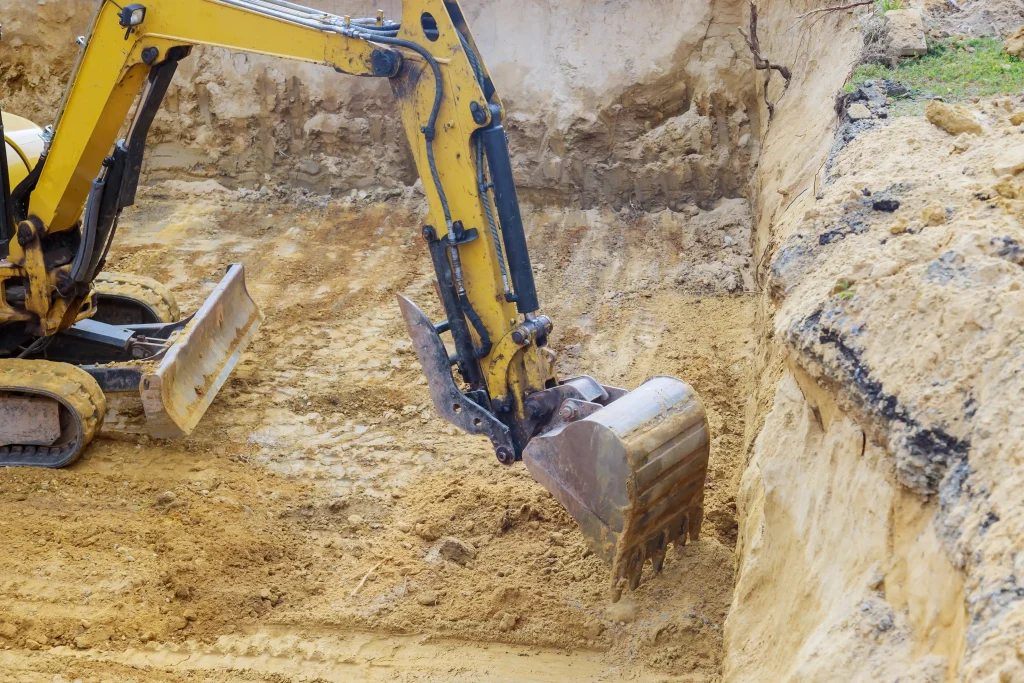
If you are planning groundworks in Colchester, one of the first questions you will need to answer is whether you need planning permission. The good news is that many common groundwork projects can go ahead without any formal approval. However, certain types of work do require permission, and getting it wrong can lead to costly problems down the line. This guide explains everything you need to know about planning permission for groundworks in the Colchester area, so you can start your project with confidence. What Counts as Groundworks? Groundworks cover a wide range of construction activities that prepare a site for building. This includes excavation, laying foundations, installing drainage systems, site clearance, and creating hard surfaces like driveways and patios. In planning terms, groundworks often fall under “engineering operations,” which is one of the types of development that may require planning permission depending on the scale and nature of the work. When You Do Not Need Planning Permission Many residential groundwork projects fall under “permitted development rights.” This means you can carry out the work without applying to your local planning authority. Here are some common examples. Driveways and Hard Surfaces You will not usually need planning permission for a new driveway if: You use permeable materials such as gravel, permeable block paving, or porous asphalt The rainwater drains naturally to a lawn or border The surface is less than five square metres According to the Planning Portal guidance on paving front gardens, permeable surfacing allows water to drain through, which helps prevent flooding and reduces strain on local drainage systems. Foundations for Extensions If you are building a house extension that falls within permitted development limits, the foundation work is typically included. You will not need separate permission for the groundworks themselves, though building regulations approval is still required. Patios and Garden Landscaping Most garden landscaping projects, including patios at ground level, do not require planning permission as long as they do not significantly raise the level of the ground. When You Will Need Planning Permission There are several situations where planning permission is required for groundworks in Colchester. Situation Permission Required? Driveway over 5m² using impermeable materials Yes Significant change in ground levels Yes Work in a conservation area Often yes Listed building or its grounds Yes (plus listed building consent) Creating a new vehicle access Yes (dropped kerb application) Commercial groundworks Usually yes Impermeable Driveways Over Five Square Metres If your new driveway covers more than five square metres and uses traditional impermeable materials like solid concrete or standard tarmac, you will need to apply for planning permission. This rule was introduced to help manage surface water runoff and reduce flood risk. Conservation Areas and Listed Buildings If your property is in a conservation area or is a listed building, permitted development rights may be restricted or removed entirely. In these cases, you should always check with Colchester City Council before starting any groundwork project. Dropped Kerbs and New Access Points Creating a new vehicle access from your property to a public road requires permission from the highways authority. This typically involves lowering the kerb and may require strengthening work to protect underground services. Building Regulations vs Planning Permission It is important to understand that planning permission and building regulations are two separate things. Even if your groundworks do not need planning permission, they may still need to comply with building regulations. Building regulations cover technical standards for construction, including structural stability, drainage, and safety. For example, foundations for any new building work must meet specific depth and strength requirements set out in building regulations, regardless of whether planning permission is needed. How to Check If You Need Permission If you are unsure whether your project needs planning permission, there are several ways to find out: Contact Colchester City Council’s planning department for pre-application advice Use the Planning Portal’s interactive tools to assess your project Apply for a Lawful Development Certificate, which confirms whether your proposed work is permitted development Getting written confirmation can be valuable if you later decide to sell your property, as it provides proof that all work was carried out lawfully. Working with Experienced Groundwork Contractors Understanding planning requirements is just one part of a successful groundwork project. Working with experienced groundwork contractors in Essex and Suffolk ensures your project is completed to the right standards and within all relevant regulations. Professional groundwork contractors can advise on drainage solutions, foundation requirements, and the best approach for your specific site conditions. They will also ensure all work meets building regulations, giving you peace of mind that your project has solid foundations for years to come. Summary Most domestic groundwork projects in Colchester can go ahead without planning permission, especially if you use permeable materials for driveways and keep changes modest. However, larger projects, work in conservation areas, and commercial developments will often require formal approval. When in doubt, check with your local planning authority before starting work. It is always better to get clarity up front than to face enforcement action or have to undo completed work later. If you are planning a groundwork project in Colchester or anywhere in Essex and Suffolk, get in touch with LGL Groundworks for expert advice and a free quote.
Are Groundworks Colchester Projects Environmentally Friendly?

When you think about construction and groundwork projects, the environment might not be the first thing that comes to mind. Diggers, concrete, and heavy machinery seem like the opposite of green living. But here is the good news: modern groundwork practices in Colchester and across Essex are changing for the better. Today, professional groundwork contractors in Essex and Suffolk are finding ways to complete projects while looking after the planet. From smart drainage solutions to using recycled materials, there are plenty of ways that groundworks can actually help rather than harm our environment. What Makes Groundworks More Sustainable? Groundwork projects involve preparing land for building. This includes digging foundations, laying drainage systems, clearing sites, and creating driveways. Each of these tasks can be done in ways that reduce waste and protect the local area. The UK government has set clear rules about how construction projects should manage surface water and protect natural habitats. According to the national standards for sustainable drainage systems published by GOV.UK, all new developments must include proper drainage that mimics natural water flow. This helps prevent flooding and keeps our rivers and streams clean. Sustainable Drainage Systems (SuDS) One of the biggest changes in modern groundwork is how we handle rainwater. In the past, water would simply run off hard surfaces into drains and then into rivers. This caused pollution and flooding. Now, sustainable drainage systems are built into most projects. These systems slow down water flow and let it soak naturally into the ground. Features like permeable paving for driveways allow rainwater to filter through rather than rush away. When experienced groundwork contractors install drainage, they think about the whole area, not just the building plot. This protects neighbouring properties and keeps local waterways healthy. Comparison: Traditional vs Sustainable Groundwork Practices Aspect Traditional Methods Sustainable Methods Drainage Pipes direct water straight to sewers SuDS allow natural infiltration Materials Mostly new materials Recycled aggregates and reclaimed materials used where possible Site Waste Sent to landfill Sorted, recycled, and reused on site Soil Management Often removed entirely Topsoil saved and reused Wildlife Rarely considered Habitats protected and enhanced Long-term Impact Higher flood risk Reduced flooding and better water quality Recycled Materials in Groundwork Another way groundworks in Colchester are becoming greener is through using recycled materials. Crushed concrete and reclaimed aggregates can replace brand-new stone in many applications. This reduces the need for quarrying and cuts down on lorry journeys. For foundations and sub-bases, recycled materials often perform just as well as new ones. Using them makes sense both for the environment and for keeping project costs reasonable. Site Clearance Done Right Clearing a site before building starts needs careful planning. Trees and vegetation should only be removed when absolutely necessary. Good contractors will protect existing trees and hedgerows where possible, as these provide homes for wildlife and help manage water naturally. Any materials cleared from the site, whether old concrete, bricks, or soil, can often be processed and reused rather than sent to landfill. This reduces waste and the carbon footprint of the project. The Local Picture in Colchester Here in Colchester and the wider Essex and Suffolk area, we have a mix of clay and sandy soils. This affects how drainage systems need to be designed. Local knowledge matters when planning sustainable groundwork, as what works in one area might not suit another. Projects near rivers like the Colne need extra care to prevent runoff carrying sediment into the water. Professional groundwork teams understand these local conditions and plan accordingly. Looking to the Future The construction industry is changing quickly. New regulations push everyone towards greener practices, and customers are increasingly asking for sustainable options. What was once seen as expensive or difficult is now becoming standard practice. Whether you need foundations for an extension, a new driveway, or complete site preparation, there are ways to get the job done that respect our environment. The key is working with contractors who understand both the technical requirements and the environmental responsibilities. Modern groundworks in Colchester can absolutely be environmentally friendly. With the right planning, materials, and techniques, your project can meet your building needs while protecting the local area for years to come.
How to Choose the Right Groundworker in Colchester

Finding a skilled groundworker in Colchester is essential for any successful building project. Whether you’re planning a driveway, extension, or new foundations, quality groundworks make all the difference. Poor groundwork leads to drainage problems, cracks, and expensive repairs later on. What Do Groundworks Contractors Do? Groundwork services cover the essential foundation work before building starts. This includes site clearance, excavation, foundations, drainage systems, and hard landscaping. A quality groundworks company handles everything from preparing the ground to installing drainage for driveways, car parks, and extensions. Why Choose Groundwork Contractors in Essex When starting a groundworks project, local experience matters. Groundwork contractors in Essex understand the soil conditions, weather patterns, and building requirements specific to the area. They know how to work with local authorities and building control to get approvals sorted quickly. Look for groundworks contractors with over 10 years of experience. They’ve seen every challenge and know how to handle unexpected problems. A skilled groundworker saves you time, stress, and money. Key Things to Check Insurance and Qualifications Every groundworks company must have proper insurance. Ask to see their public liability insurance and any relevant qualifications. Professional contractors will happily show you these documents. Range of Services The best contractors offer complete groundwork services. This means they can handle site clearance, excavation, foundations, drainage, and landscaping all in one go. Having one team for your entire groundworks project is more efficient and often gives you a more competitive price. Reputation and Reviews Check customer reviews and ask for references. Look at photos of completed work. A groundworks company with the highest quality standards will have plenty of happy customers willing to recommend them. Essential Questions to Ask Before hiring, ask these questions: How long have you worked on groundworks projects in Colchester? Can you provide recent customer references? What insurance do you carry? Will you handle permissions from local authorities? What’s included in your quote? Good contractors give clear, honest answers. They explain what needs doing and why. Understanding Building Regulations Most groundworks projects need approval from local authorities. According to GOV.UK’s guidance on building regulations, you might need approval for excavation, drainage, and foundation work. A professional groundworker should know which regulations apply and work with building control to ensure everything meets the required standards. Warning Signs to Avoid Be careful if a contractor: Asks for full payment upfront Won’t provide a written quote Can’t show insurance documents Offers prices that seem too cheap Pressures you to decide quickly These are red flags. Trust your instincts. Getting Quotes Always get written quotes from at least three different contractors. A proper quote includes a breakdown of work, materials, timeline, and total cost. Don’t just pick the cheapest option. A competitive price should still reflect quality groundworks with good materials and experienced workers. Comparison Checklist Use this table to compare contractors: Criteria Contractor 1 Contractor 2 Contractor 3 10+ years of experience Insurance verified Local to Essex Positive reviews Written quote Full range of services Understands regulations Good communication Making Your Decision Once you’ve gathered information, compare the quotes carefully. Contact references. Check everything is in writing before you sign. Remember, you’re choosing someone to create the foundation your project depends on. Quality groundworks contractors deliver the highest quality results. They ensure proper drainage, stable foundations, and work that lasts. A skilled groundworker in Colchester with local knowledge and experience will set your project up for success. Ready to start? Request quotes from experienced groundworks contractors who meet these standards. Your project deserves solid groundwork from professionals you can trust.
The Complete Guide to Groundworks in Colchester
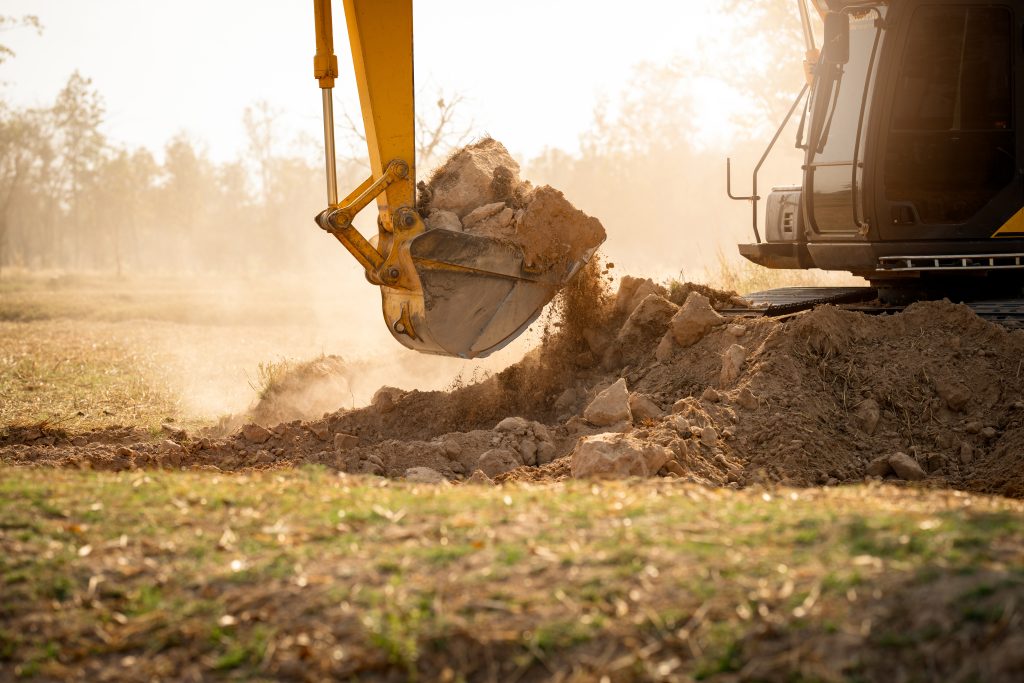
When planning any construction or landscaping project in Colchester, there’s one crucial element that often goes unnoticed yet forms the backbone of every successful build: groundworks. Whether you’re constructing a new home, adding an extension, or transforming your garden, proper groundwork is the foundation upon which everything else depends. What Are Groundworks? Groundworks encompass all the essential preparatory work that takes place before any visible construction begins. It’s the critical phase where the site is prepared, levelled, and made structurally sound to support whatever you’re planning to build. From residential driveways to commercial developments, groundworks ensure that your project has the solid foundation it needs to stand the test of time. For property owners searching for “groundworks Colchester” or a reliable “groundworks company near me,” understanding what these services entail is essential for making informed decisions about your project. Essential Groundwork Services Excavation and Site Preparation Excavation is typically the first step in any groundworks project. This involves removing soil, rock, and debris to create the necessary space for foundations, utilities, and drainage systems. In Colchester, where soil conditions can vary significantly across different areas, professional excavation requires both expertise and local knowledge. A skilled groundworker in Colchester will assess the site’s topography, soil composition, and any potential obstacles such as underground utilities or tree roots. This careful planning prevents costly delays and ensures the site is properly prepared for the next phases of construction. Foundation Work Foundations are arguably the most critical aspect of any building project. They distribute the weight of the structure evenly across the ground, preventing settling, cracking, and structural failure. The type of foundation required depends on several factors, including the building’s size, the soil conditions, and local building regulations. Common foundation types include: Strip foundations: Used for most domestic builds, these consist of a continuous strip of concrete supporting load-bearing walls Trench fill foundations: A variation of strip foundations, filled entirely with concrete for additional strength Pad foundations: Individual concrete pads supporting columns or posts Raft foundations: A solid concrete slab across the entire building footprint, ideal for weaker soil conditions Professional groundwork companies in Colchester understand the local geology and can recommend the most appropriate foundation type for your specific site and project requirements. Drainage Systems Proper drainage is essential for protecting your property from water damage, dampness, and flooding. Groundworks contractors install various drainage solutions, including: Surface water drainage removes rainwater from roofs, driveways, and paved areas, directing it safely away from buildings and into soakaways or the main drainage system. In Colchester’s climate, where rainfall can be substantial, effective surface water management is crucial for preventing flooding and erosion. Foul water drainage connects toilets, sinks, and other sanitary fixtures to the main sewerage system or a septic tank. This requires careful planning to ensure compliance with building regulations and environmental standards. Land drainage addresses issues with waterlogged ground by installing French drains, drainage channels, or permeable surfaces. This is particularly important for landscaping projects and agricultural land. Concrete Work and Hard Landscaping Groundworks also include the installation of concrete slabs for garages, sheds, and patios, as well as hard landscaping features such as driveways, pathways, and retaining walls. These elements require precise levelling and proper drainage to ensure longevity and functionality. Why Professional Groundworks Matter Structural Integrity Poor groundwork is one of the leading causes of structural problems in buildings. Inadequate foundations can lead to subsidence, cracking, and even partial collapse. By investing in professional Colchester groundworks from the outset, you’re protecting your property and avoiding potentially catastrophic repairs down the line. Regulatory Compliance Building regulations in the UK are stringent, particularly regarding foundations and drainage. Professional groundworks contractors understand these requirements and ensure that all work meets the necessary standards. This is essential for passing building control inspections and maintaining your property’s value and insurance coverage. Cost Efficiency While it might be tempting to cut corners on groundworks to save money, this approach almost always proves more expensive in the long run. Proper groundwork prevents future problems, reduces maintenance costs, and ensures your project proceeds smoothly without costly delays or remedial work. Long-Term Performance Quality groundworks provide a stable base that will support your structure for decades. Whether it’s a residential extension, commercial building, or landscaping project, the time and investment put into proper groundwork pays dividends throughout the life of the project. The L Groundworks Approach At L Groundworks, we understand that every project in Colchester is unique. Our team of experienced groundworkers combines local knowledge with industry expertise to deliver groundworks solutions tailored to your specific needs. Local Expertise As a groundworks company serving Colchester and the surrounding areas, we have extensive experience working with the region’s varied soil conditions and terrain. This local knowledge allows us to anticipate challenges and provide solutions that work effectively in our area’s specific context. Comprehensive Services We offer a full range of groundworks services, from initial site surveys and excavation through to foundations, drainage installation, and hard landscaping. This comprehensive approach means you can rely on a single, trusted contractor throughout your project, ensuring consistency and accountability at every stage. Quality and Reliability We pride ourselves on delivering groundworks that stand the test of time. Using high-quality materials, modern equipment, and proven techniques, we ensure that every project is completed to the highest standards. Our commitment to excellence means you can have confidence in the foundations of your build. Professional Project Management Groundworks require careful coordination with other trades and adherence to strict timelines. Our experienced team manages every aspect of the groundworks phase, liaising with architects, structural engineers, and building control to ensure smooth progress and timely completion. Choosing the Right Groundworks Contractor When searching for groundwork companies in Colchester, consider the following: Experience and expertise: Look for contractors with a proven track record in projects similar to yours Local knowledge: Familiarity with Colchester’s soil conditions and regulations is invaluable Comprehensive services: A contractor who can handle all aspects of groundworks provides better continuity Professional accreditations: Check for relevant
Can Poor Groundworks Lead to Long-Term Structural Problems?

The foundation of any building is quite literally the bedrock upon which everything else depends. At L Groundworks, we’ve witnessed firsthand how cutting corners during the groundworks phase can lead to devastating consequences years or even decades later. The simple answer to whether poor groundworks can cause long-term structural problems is an emphatic yes – and the implications can be far more serious and costly than most property owners realise. Understanding the relationship between groundworks quality and structural integrity is crucial for anyone involved in construction, whether you’re building a new home, adding an extension, or developing a commercial property. The decisions made during the groundworks phase will influence your building’s performance for its entire lifespan, making this one area where quality should never be compromised. The Foundation of Structural Integrity Groundworks encompass everything from initial site preparation and excavation to foundation construction and drainage installation. Each element plays a vital role in creating a stable platform for your structure. When any aspect of this work is performed inadequately, it sets in motion a chain of events that can manifest as serious structural problems years down the line. The relationship between ground conditions and structural performance is complex and interconnected. Poor groundworks don’t just affect the immediate foundation – they can influence everything from wall alignment and floor levelness to roof stability and overall building movement. This is why experienced groundworks contractors understand that their work forms the critical first link in a chain of structural dependencies. In the UK’s varied geological conditions, from London clay to Scottish granite, the importance of proper groundworks becomes even more pronounced. Different soil types present unique challenges that must be addressed through appropriate techniques and materials. Failing to account for these local conditions during the groundworks phase almost inevitably leads to problems later. Common Groundworks Failures and Their Consequences One of the most frequently encountered issues stems from inadequate site investigation and soil analysis. When contractors fail to properly assess ground conditions, they may choose inappropriate foundation types or depths, leading to differential settlement. This occurs when different parts of a building settle at different rates, creating stress fractures, door and window alignment problems, and potentially dangerous structural movement. Poor drainage is another critical failure point that can have devastating long-term effects. When groundworks don’t include adequate drainage systems or when existing drainage is damaged during construction, water can accumulate around foundations. Over time, this leads to foundation weakening, basement flooding, and in severe cases, complete foundation failure. The freeze-thaw cycle common in the UK can exacerbate these problems, as water expansion puts additional stress on already compromised foundations. Inadequate excavation practices represent another significant risk factor. When excavation isn’t carried out to proper depths or when backfilling is performed incorrectly, foundations may not provide adequate support for the intended structure. This can result in gradual settlement, cracking, and structural instability that becomes increasingly expensive to remedy over time. Compaction issues during groundworks can also create long-term problems. When soil isn’t properly compacted around foundations or when hardcore bases aren’t adequately prepared, voids can develop that allow movement and settlement. These seemingly minor oversights during construction can lead to major structural issues that require extensive and costly remediation work. The Progressive Nature of Structural Problems What makes poor groundworks particularly dangerous is that the resulting structural problems often develop gradually over time. Initial signs may be subtle – perhaps a hairline crack in a wall or a door that doesn’t close quite properly. Property owners may dismiss these as normal settling, unaware that they’re actually early warning signs of more serious underlying issues. As time progresses, these minor symptoms can escalate into major structural problems. Cracks widen and multiply, floors become uneven, and walls may begin to bow or lean. In extreme cases, poor groundworks can lead to complete structural failure, requiring extensive rebuilding work that costs many times more than proper initial construction would have cost. The progressive nature of these problems means that early intervention is crucial. However, because the root cause lies in the groundworks, surface repairs often prove ineffective. Addressing structural problems caused by poor groundworks typically requires expensive underpinning work, foundation repairs, or complete reconstruction – all of which could have been avoided with proper initial groundworks. Financial Implications and Hidden Costs The financial impact of poor groundworks extends far beyond the immediate construction costs. When structural problems develop, property owners face not just repair costs but also potential devaluation of their property, increased insurance premiums, and possible legal liabilities if the problems affect neighbouring properties. Insurance companies are increasingly sophisticated in identifying structural problems related to poor groundworks, and many policies specifically exclude coverage for issues arising from inadequate foundations or groundworks. This means that property owners may find themselves facing enormous repair bills with no insurance support, particularly if the problems are traced back to substandard initial construction. The cost of remedial work typically far exceeds the cost of proper initial groundworks. Underpinning existing foundations, for example, can cost several times more than constructing proper foundations initially. Additionally, remedial work often requires occupants to vacate the property temporarily, adding accommodation costs and significant disruption to daily life. For commercial properties, the implications can be even more severe. Structural problems can force business closures, create health and safety liabilities, and result in expensive legal disputes. The reputational damage associated with structural failures can have long-lasting impacts on business operations and profitability. Prevention Through Quality Groundworks The good news is that these long-term structural problems are entirely preventable through proper groundworks practices. This starts with comprehensive site investigation to understand soil conditions, drainage requirements, and any potential challenges that might affect foundation performance. Professional groundworks contractors invest in proper site preparation, including adequate excavation depths, appropriate foundation types for local conditions, and comprehensive drainage systems. They understand that cutting corners during groundworks is a false economy that inevitably leads to much greater costs later. Quality groundworks also involves using appropriate materials and construction techniques for local conditions.