
Raft vs Strip vs Pile: Which Foundation Type Does Your Colchester Project Need?
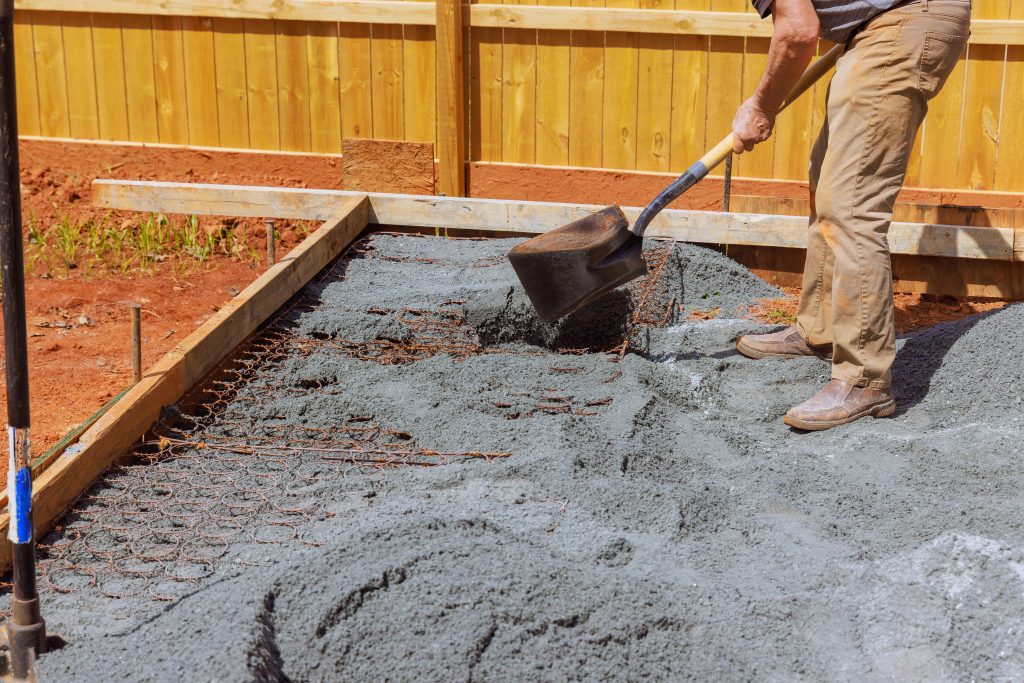
If you are planning a home extension, a new build, or any major construction in the Colchester area, one of the first questions your contractor will ask is: what type of foundation does this project need? It is a fair question, and the answer is not always obvious. The ground under Essex and Suffolk can vary a lot from one site to the next. What works perfectly on one street might not work at all a few roads away. That is why choosing the right foundation type matters so much. This guide breaks down the three most common foundation types used in the UK: raft foundations, strip foundations, and pile foundations. We will explain what each one is, when it is used, and what the ground conditions need to look like for each to work well. Why the Right Foundation Matters A foundation is the part of a structure that sits below ground level. Its job is to spread the weight of the building safely into the soil beneath it. If the foundation is not right for the ground conditions, the building above can crack, shift, or even sink over time. Choosing the correct foundation type is one of the most important decisions made at the start of any building project. It affects cost, build time, and the long-term safety of the structure. That is why you need experienced foundation contractors in Essex and Suffolk who understand local ground conditions. The Three Main Foundation Types 1. Strip Foundations What is it? A strip foundation is a continuous strip of concrete that runs under load-bearing walls. Think of it like a long, wide slab of concrete buried in the ground, following the line of the walls above it. When is it used? Strip foundations are the most common type for houses and small commercial buildings in the UK. They work well where the ground is stable and has a good bearing capacity, meaning it can hold the weight of the building without compressing too much. What ground conditions suit strip foundations? Strip foundations work best in firm ground such as clay, gravel, or sand that is reasonably stable. They are typically dug to a depth of between 450mm and 1,000mm, depending on what the soil is like and whether there are nearby trees. Clay soils in Essex can shrink and swell with moisture changes, so foundations here sometimes need to go deeper. What a contractor will consider: Soil type and how stable it is Depth to solid ground Nearby trees (roots can affect clay soils) The load the walls will carry Strip foundations are often the most affordable option for standard house extensions and new builds on solid ground. 2. Raft Foundations What is it? A raft foundation is a large, flat slab of reinforced concrete that covers the whole footprint of a building, rather than just running under the walls. The slab is thicker at the edges and under load-bearing points, but it spreads the weight across a much larger area. When is it used? Raft foundations are used when the soil is soft or weak, when the ground is at risk of movement, or when it would be very difficult to dig deep trenches. They are also a good option when you want to build on ground that has been filled in previously, such as a former garden plot or a site where old buildings once stood. What ground conditions suit raft foundations? Raft foundations work well on: Soft or loose soil Made ground (land that has been built up or filled in) Areas with a high water table Sites where ground conditions are uneven Because the slab spreads the load across such a wide area, it reduces the pressure on any one part of the ground. This makes it a practical choice on sites where strip or pile foundations would not be safe. What a contractor will consider: Whether the ground is likely to move or settle The water table level on site The total load the slab needs to carry Whether reinforcement is needed and how much Raft foundations can be quicker to build than pile foundations, but they use more concrete than strip foundations, which can affect cost. 3. Pile Foundations What is it? Pile foundations use long, narrow columns of concrete (or steel) driven deep into the ground until they reach solid, stable rock or dense soil. A concrete beam called a pile cap or ground beam then sits on top of the piles, which supports the structure above. When is it used? Pile foundations are used when the stable ground is very deep below the surface, or when the load of the building is very heavy. They are common in commercial construction but are also used in residential projects when site conditions demand it. What ground conditions suit pile foundations? Piles are the right choice when: The topsoil is too soft or loose for strip or raft foundations Stable ground is several metres down The building is large or carries a very heavy load The site is close to water or in a flood-risk area In some parts of Essex and Suffolk, particularly near rivers or on former marshland, the surface soil can be very soft. In these cases, piles can be the only safe option. What a contractor will consider: How deep the solid ground is The type of pile needed (bored, driven, or screw piles) Ground conditions around the pile Access to the site for specialist equipment Pile foundations tend to cost more than strip foundations and often require specialist equipment, but they are essential in the right conditions. Quick Comparison Table Foundation Type Best For Ground Conditions Typical Cost Strip House extensions, standard builds Firm, stable soil Lower Raft Soft ground, filled land, uneven sites Weak or made ground Medium Pile Heavy loads, deep solid ground needed Soft surface with firm ground below Higher Which Type Is Right for Your Colchester Project? There is no single answer
Foundation Contractor Checklist: 10 Essential Questions
Picking the right foundation contractor is crucial for your building project. A good foundation keeps your home stable for years. A poor one leads to cracks, structural problems, and expensive repairs. This guide gives you 10 key questions to ask before you hire anyone, helping you spot reliable professionals. 1. Do You Have the Right Insurance and Licences? Before anything else, check the contractor has proper insurance. Good professional foundation contractors carry public liability insurance (minimum £5 million) and employer’s liability cover. Ask to see current insurance certificates and verify the dates. If a contractor without insurance damages your property or a worker gets injured, you could face the costs. 2. What Experience Do You Have with My Type of Foundation? Different projects need different foundations. Strip foundations suit most houses, whilst pile foundations work for unstable soil. Ask how many similar projects they’ve done in the past three years. An experienced groundwork team should describe specific jobs matching your needs, including challenges they’ve faced with difficult soil or water tables. 3. Can You Give Me Recent References? Ask for contact details for at least three customers from the last year with similar projects. When you ring them, ask if the contractor finished on time, stuck to the quoted price, kept the site clean, and whether they’d hire them again. Listen for warnings about poor communication, surprise costs, or delays without good reasons. 4. What Exactly Does Your Quote Cover? A proper quote breaks down labour, materials, machinery, waste removal, and building control fees. Watch out for quotes much cheaper than others—they probably leave things out. If one contractor quotes £3,000 and others quote £5,000-£6,000, something’s missing. Good contractors explain their quotes clearly and don’t get annoyed when you ask questions. 5. What Happens if You Find Problems Underground? Surprises happen when digging—old drains, soft soil, contaminated ground, or underground water. Ask what the contractor will do and who pays for extra work. Reliable contractors stop work to assess problems, work out costs, and get your approval before continuing. Get the arrangement for unexpected costs written down to avoid arguments later. 6. How Long Will the Work Take? Most home foundations take one to three weeks, depending on size and weather. Ask about start dates, finish dates, and possible delays. Weather is the biggest factor—you can’t pour concrete in freezing conditions or heavy rain. According to Planning Portal guidance on building regulations, concrete needs proper curing time. Building control inspections also affect timing, so your contractor should book these at the right stages. 7. What Guarantee Do You Offer on Your Work? Good contractors guarantee their work, usually for one to ten years. Get this in writing. Check what it covers (workmanship and materials) and what it doesn’t (damage you cause later). Understand how to make a claim and what happens if the company stops trading. Insurance-backed guarantees give better protection. 8. How Do You Handle Building Control Approval? All foundation work needs building control approval to meet safety standards. Ask if the contractor arranges inspections or if you do this yourself. Experienced contractors handle this, knowing when to call inspectors and what paperwork is needed. Find out what happens if inspectors spot problems—good contractors work with them to fix issues quickly. 9. When Do I Need to Pay You? Never pay everything upfront. Most contractors ask for 10-25% deposit when you book them, then payments at key stages (after digging, after pouring concrete, after passing inspection). Get the payment schedule in writing with exact dates and what work must be complete first. This protects both you and the contractor. 10. What Other Services Can You Provide? Foundation work often connects to drainage, landscaping, and driveways. Contractors offering complete property services make coordination easier. Working with one company for multiple jobs means better planning and often lower costs. Ask what other services they provide and if bundling saves money, but make sure they’re genuinely skilled at all the work. Evaluating Responses: Warning Signs vs Quality Indicators Warning Signs Quality Indicators Vague answers without specifics Detailed responses with examples Reluctance to provide references Willingly shares multiple references Pressure to sign immediately Allows time for consideration Cash-only payments requested Formal payment terms with invoices No written warranty offered Comprehensive written warranty Dismissive of your concerns Listens and addresses questions thoroughly Making Your Decision Compare contractors based on expertise, communication, and value rather than price alone. The cheapest quote rarely delivers the best results. Foundation work forms the base of your structure, so quality and reliability matter more than saving a few hundred pounds. Take time to verify credentials and trust your instincts about professionalism. Google Title: Foundation Contractor Questions: 10 Must-Ask Hiring Tips Meta Description: Essential checklist of 10 questions to ask foundation contractors before hiring. Learn to evaluate insurance, experience, warranties, and quality indicators. Evaluating Responses: Warning Signs vs Quality Indicators Warning Signs Quality Indicators Vague answers without specifics Detailed responses with examples Reluctance to provide references Willingly shares multiple references Pressure to sign immediately Allows time for consideration Cash-only payments requested Formal payment terms with invoices No written warranty offered Comprehensive written warranty Dismissive of your concerns Listens and addresses questions thoroughly Making Your Decision After gathering responses to these 10 questions, compare contractors based on their expertise, communication quality, and value rather than price alone. The cheapest quote rarely delivers the best results. Foundation work forms the literal base of your structure, so prioritising quality and reliability over cost savings protects your long-term investment. Take time to review all documentation, verify credentials, and trust your instincts about the contractor’s professionalism. A contractor who communicates clearly, provides thorough answers, and demonstrates genuine interest in your project success is worth the investment.
Building Foundation Contractors: What Makes a Great Team?

Choosing the right building foundation contractors is crucial for any construction project. Your building’s stability depends on quality foundations, so selecting the right team matters. Whether you are planning a house extension, new build, or major renovation in Essex and Suffolk, finding reliable contractors makes all the difference. This guide helps you understand what to look for and how to make the best choice. What Foundation Contractors Do Foundation contractors specialise in creating the base that supports your entire building. They dig trenches, assess soil conditions, work with different ground types, and pour concrete foundations. An experienced foundation team brings together knowledge of soil conditions, building regulations, and structural requirements. Foundation work involves several key stages. First, contractors survey your site and test the soil to understand what type of foundation you need. Then they excavate to the correct depth, prepare the ground properly, and pour concrete to create a solid base. They also install any necessary drainage systems and ensure everything meets building regulations. Good contractors ensure your property stands strong for decades to come. Essential Qualifications to Look For Good contractors should have proper qualifications and insurance. These credentials protect you and show the contractor takes their work seriously. Look for these key requirements: Insurance Coverage Public liability insurance is essential. Reputable contractors carry insurance coverage of at least £5 million, though many professionals hold £10 million policies. This protects you financially if something goes wrong during the project, such as damage to your property or neighbouring buildings. They should also have employer’s liability insurance if they have staff working on site. This covers any injuries to workers during the project. Always ask to see proof of current insurance before work starts. Request copies of insurance certificates and check the expiry dates to ensure coverage remains valid throughout your project. Professional Memberships Membership in professional organisations like the Federation of Master Builders (FMB) or the National Federation of Builders (NFB) shows contractors meet certain standards. These groups require proper insurance, technical competence, and professional conduct from their members. They also provide dispute resolution services if problems arise. Contractors who belong to these organisations usually follow codes of practice and maintain higher standards. Membership shows commitment to the industry and ongoing professional development. Health and Safety Qualifications Construction sites can be dangerous places. Workers should hold CSCS (Construction Skills Certification Scheme) cards. These cards prove they have completed proper health and safety training for construction work. Site managers need SMSTS (Site Management Safety Training Scheme) certificates, whilst workers need SSSTS (Site Supervisors Safety Training Scheme) qualifications at minimum. These qualifications ensure everyone on site understands how to work safely and reduce risks of accidents. Experience Matters Choose contractors with at least ten years of experience in foundation work. Experienced teams have dealt with different soil types, weather conditions, and construction challenges. They understand local ground conditions in Essex and Suffolk, including common issues like clay soil that expands and contracts with moisture changes. An experienced foundation team knows how to handle unexpected problems that arise during excavation. They might discover old foundations, underground services, or poor soil that requires different solutions. Experience helps contractors adapt quickly and make good decisions. Ask to see photos of previous projects and speak to past clients. Look for projects similar to yours in size, building type, and ground conditions. A contractor who has successfully completed ten house extensions on clay soil brings valuable knowledge to your similar project. References from satisfied customers provide insight into how the contractor works, communicates, and solves problems. Understanding Building Regulations Foundation contractors must follow UK building regulations, particularly Approved Document A (Structure). The Planning Portal provides detailed guidance on foundation requirements including soil type considerations, adjacent structures, trees, and drainage. Good contractors explain how they meet these regulations. They should discuss load-bearing calculations, minimum foundation depths for your soil type, and how they protect nearby structures during work. Questions to Ask Contractors Ask these important questions before hiring anyone: How many years have you been doing foundation work? Can you show examples of similar projects? Do you have experience with my soil type? Will you conduct a soil survey before starting? How do you handle unexpected ground conditions? Who supervises the work daily? How long will the project take? Their answers reveal how professional and experienced they are. Comparing Quotes Get at least three written quotes to compare fairly. Written quotes protect both you and the contractor by clearly stating what work is included and how much it costs. The cheapest option is rarely the best value, as it may indicate corners being cut or hidden costs appearing later. Check that quotes include: Labour and material costs broken down clearly Concrete grade and quantities specified Excavation and soil removal costs Details of any additional work required Timeline for completion with key milestones Payment schedule showing when payments are due Warranty or guarantee terms Compare quotes carefully to ensure you are comparing like with like. One contractor might quote for basic strip foundations whilst another includes extra drainage work or ground improvement measures. Make sure each quote covers the same scope of work. Be careful of quotes much lower than others. Cheap contractors may cut corners on materials, use lower-grade concrete, skip important preparation work, or lack proper insurance. Quality foundation work requires investment in skilled labour, appropriate materials, and proper procedures. A quote that seems too good to be true usually is. Ask contractors to explain any significant differences between quotes. Understanding why one quote is higher might reveal additional value, such as better materials or more thorough preparation work. Types of Foundations Different projects need different foundation types based on your building size, soil conditions, and budget. Good contractors recommend the right option for your specific situation rather than using the same method for every project: Foundation Type Best For Typical Depth Key Benefits Strip Foundations Low-rise buildings, stable soil 0.6-1.0 metres Cost-effective, quick installation Trench Fill Extensions,
The Hidden Foundations: Why Your Garden Building Needs Professional Groundwork
Garden buildings are more popular than ever. Home offices, summer houses, gyms, and hobby rooms let you add usable space without extending your main house. But here is something many people discover too late: that expensive timber building is only as good as what sits underneath it. Every summer, homeowners across Colchester invest thousands in beautiful garden rooms, only to watch them sink, tilt, or develop damp problems within a few years. The problem almost always starts with the foundation. Here is why professional groundwork matters so much for garden buildings. The DIY Foundation Problem Many garden building suppliers suggest simple DIY bases. “Just level some paving slabs” or “lay a few concrete blocks” they say. For a small shed, this might work. For anything larger or more expensive, it is asking for trouble. The issue is that DIY bases rarely account for ground conditions. In Colchester and across Essex, clay-heavy soil is the norm. Clay behaves differently from other soils. It swells when it gets wet and shrinks when it dries out. This seasonal movement puts enormous stress on any structure sitting on top. A paving slab base has no depth. When the clay moves, the slabs move with it. Your garden building ends up with gaps under the floor, doors that stick, and walls that crack. Over time, the whole structure can become unusable. The LABC (Local Authority Building Control) provides guidance on when building regulations apply to outbuildings, which can depend on size, use, and proximity to boundaries. What Happens When Foundations Fail Slab sinking is the most common problem. The ground beneath part of the base settles more than the rest, creating an uneven surface. Floors slope noticeably. Furniture slides across rooms. Water pools in corners instead of draining away. Damp follows shortly after. When a building is not level, gaps open up between the base and the structure. Water gets in through these gaps. Combined with poor ventilation underneath, this creates perfect conditions for rot and mould. Structural damage comes next. Timber frames are designed to sit square and level. When the base moves, the frame twists. Joints open up. Windows and doors become difficult to open. In severe cases, the whole building can become structurally unsafe. All of these problems cost far more to fix than a proper foundation would have cost in the first place. Types of Garden Building Foundations Professional foundation contractors offer several options depending on your building and your site: Foundation Type Best For Key Benefits Concrete slab Most garden buildings Solid, level, durable Concrete pad and beam Large or heavy buildings Handles ground movement Screw piles Sloping sites or tree roots Minimal excavation Reinforced raft Very poor ground Maximum stability A concrete slab is the most common choice for garden offices and summer houses. It provides a solid, level surface that will not move over time. The concrete goes deep enough to sit below the zone where clay movement happens. For larger buildings or sites with difficult ground, pad and beam foundations spread the load across a wider area. This prevents localised sinking even if one part of the ground is softer than another. Ground Conditions in Colchester Colchester sits on a mix of geological formations, but clay is very common. London Clay, in particular, is notorious for causing foundation problems. It can shrink by as much as 10% in dry summers, then swell back when rain returns. Trees make clay problems worse. Tree roots draw moisture from the soil, causing extra shrinkage nearby. If you have large trees close to where your garden building will go, you need foundations designed to cope with this. Professional groundworkers in Colchester understand these local conditions. They know how deep to dig, how much reinforcement to use, and how to design drainage that keeps water away from your foundation. What Professional Installation Includes When you hire concrete foundation contractors for your garden building, you get much more than just concrete in a hole. The process typically includes: Site survey to assess ground conditions, drainage, access, and any obstacles like tree roots or underground services. Design of the right foundation type for your building and your site. This might involve calculations for load-bearing capacity and reinforcement requirements. Excavation to the correct depth, ensuring solid ground at the bottom. In clay soils, this often means going deeper than DIY guides suggest. Formwork to create clean, straight edges for the concrete. This gives you a professional finish that sits square to your building. Reinforcement using steel mesh or rebar. This prevents cracking and adds long-term strength. Concrete pouring with the right mix for the application. The surface is levelled precisely so your building sits flat. Drainage around the base to direct water away. Standing water is the enemy of any foundation. The True Cost of Getting It Wrong That DIY base might save you a few hundred pounds upfront. But consider what happens when problems develop three years down the line. Relevelling a sunken building typically costs more than a professional foundation would have. You have to lift the structure, repair the base underneath, then put everything back. If the building is attached to services like electricity or water, these all need disconnecting and reconnecting. Damp damage often means replacing insulation, flooring, and sometimes wall panels. In a garden office with expensive fit-out, this can cost thousands. In the worst cases, the building cannot be saved at all. All that money spent on the structure itself is wasted. Protecting Your Investment A garden office can cost anywhere from £10,000 to £50,000 or more depending on size and specification. A gym, home cinema, or art studio might cost even more once you add equipment and finishing. These are serious investments. Spending a bit more on proper foundations protects that investment for decades. A well-built concrete base will outlast the building sitting on it. When you eventually want to upgrade or replace the structure, the foundation will still be
Planning a Summer Extension? Why Your Choice of Foundation Contractor Matters

Late spring is the busiest time for homeowners planning extensions. The reason is simple: starting now means your new space can be weatherproof before autumn arrives. But before you think about walls and windows, you need to get the groundwork right. Your choice of foundation contractor can make or break your entire project. Why Foundations Matter More Than You Think Every building needs a solid base. For home extensions, this base is the foundation. It transfers the weight of your new structure down into the ground. Get it wrong, and you could face serious problems like cracking walls, uneven floors, or even structural failure. The Planning Portal explains that all building work, including foundations, must meet Building Regulations. This is not optional. A professional foundation contractor understands these rules and ensures your extension meets every requirement. Types of Foundations for Home Extensions Not every extension needs the same type of foundation. The right choice depends on your soil type, the size of your extension, and your existing property. Here are the most common options: Foundation Type Best For Typical Depth Strip Foundations Most single-storey extensions 450mm – 1m Trench Fill Clay soils and faster builds 1m – 2.5m Raft Foundations Weak or variable ground Varies Piled Foundations Very poor ground conditions 3m+ In Essex and Suffolk, clay-heavy soil is common. Clay expands when wet and shrinks when dry, which can cause movement in your foundations. Experienced building foundation contractors know how to handle these local conditions. The Risks of Poor Groundwork Cutting corners on foundations might save money upfront, but the long-term costs can be devastating. Here are the main risks: Subsidence happens when the ground beneath your foundation sinks or moves. This causes cracks in walls, doors that stick, and floors that slope. Fixing subsidence can cost tens of thousands of pounds. Damp problems often start with poor groundwork. If drainage is not installed correctly, water can seep into your extension. This leads to mould, rotting timber, and a building that feels cold and unpleasant. Structural weakness means your extension could become unsafe. In the worst cases, buildings with faulty foundations may need to be demolished entirely. Why Hire a Specialist Foundation Contractor A specialist groundwork contractor brings skills and knowledge that general builders simply do not have. Here is what sets them apart: They understand soil conditions. Concrete foundation contractors near me who work in Essex and Suffolk know about local clay soils. They adjust foundation depth and design to suit your specific site. They have the right equipment. Digging foundations properly requires excavators, compactors, and specialist tools. Professional contractors arrive ready to work efficiently. They follow regulations. Building Control will inspect your foundations before you can continue building. A specialist makes sure everything passes first time, avoiding costly delays. They provide proper drainage. Good groundwork includes installing drainage systems that protect your extension from water damage for decades to come. What to Expect from the Process When you hire professional foundation contractors, they will typically follow these steps: First, they survey your site. This includes checking soil type, existing drainage, and any obstacles like tree roots or underground pipes. Next, they design the right foundation for your project. This might involve working with a structural engineer to create detailed plans. Then comes the excavation. The contractor digs trenches to the correct depth, ensuring the bottom is level and solid. After that, they pour the concrete. For strip foundations, this means filling the trenches. For raft foundations, they create a solid slab across the entire footprint. Finally, they install drainage and prepare for the next stage of building. Good groundworks set you up for a smooth construction process. Choosing the Right Contractor When selecting building foundation contractors for your extension, ask these questions: Do they have experience with similar projects in your area? Local knowledge matters. Can they provide references from previous customers? Good contractors are happy to share their track record. Are they properly insured? This protects you if anything goes wrong. Will they handle Building Regulations approval? The best contractors manage the entire process. Start Your Extension on Solid Ground Your extension is an investment in your home and your future. Do not risk that investment by choosing the wrong foundation contractor. Professional groundwork ensures your new space will be safe, dry, and stable for generations. Start your extension on solid ground. Contact our foundation specialists today for a site survey.
What Questions Should You Ask a Foundation Contractor?

Choosing the right foundation contractor is one of the most important decisions you will make for any building project. The foundation supports everything above it, so getting it wrong can cause serious problems later. Before you hire anyone, asking the right questions helps you find a reliable professional who will do the job properly. Here are the essential questions you should ask any foundation contractor in Essex or Suffolk before work begins. How Long Have You Been Working on Foundations? Experience matters when it comes to groundwork. A contractor who has been laying foundations for many years will have dealt with all sorts of soil types, ground conditions, and unexpected problems. They will know how to handle clay soils that shrink and swell, or what to do if they find filled ground that needs extra depth. Ask them about projects similar to yours. Have they worked on extensions, new builds, or commercial foundations? The more experience they have with your type of project, the smoother things will go. Are You Fully Insured? This is a question you must never skip. A good foundation contractor should have public liability insurance and employer’s liability insurance. If something goes wrong on site, you need to know you are protected. Ask to see their insurance certificates. A professional contractor will have no problem showing you proof of cover. What Type of Foundation Do You Recommend? Not all foundations are the same. The right type depends on your soil, the size of your building, and other factors. A knowledgeable contractor should be able to explain why they recommend a particular foundation type for your project. Common foundation types include strip foundations, trench fill, and raft foundations. The Planning Portal’s guide to building regulations for foundations explains how factors like soil type, nearby trees, and drainage all affect what foundation you need. Key Questions to Ask: Quick Reference Table Question Why It Matters How long have you been laying foundations? Experience helps avoid costly mistakes Are you fully insured? Protects you if something goes wrong What foundation type do you recommend? Shows they understand your specific project Can you provide references? Lets you check their track record How do you handle unexpected ground conditions? Tests their problem-solving ability What is included in your quote? Avoids hidden costs later Will you handle building control approval? Ensures your project meets regulations What is your timeline? Helps you plan the rest of your build Can You Provide References or Examples of Past Work? A reputable contractor should be happy to share references from previous customers. Speaking to past clients gives you honest feedback about the quality of work, reliability, and whether the project stayed on budget. Photos of completed foundations are also useful. They show you the standard of work you can expect. How Do You Handle Unexpected Ground Conditions? Even with careful planning, surprises can happen when digging begins. The ground might have been previously disturbed, there could be old drains in the way, or the soil might be different from expected. Ask how the contractor deals with these situations. Do they stop and consult with you? Will they bring in a structural engineer if needed? A good foundation contractor will have a clear process for handling problems without causing delays. What Is Included in Your Quote? Foundation quotes should be clear and detailed. Make sure you understand exactly what is included. Ask about excavation, concrete, labour, waste removal, and any other costs. Some contractors quote low prices but add extra charges later. A transparent quote protects you from unexpected bills. Will You Work with Building Control? All foundation work must meet building regulations. Your contractor should know this process well. They should be happy to arrange inspections at the right stages and provide any documentation building control requires. Ask if they have experience working with your local building control office. What Is Your Expected Timeline? Knowing how long the work will take helps you plan the rest of your project. Foundation work needs to be completed before other trades can start, so delays here affect everything else. Get a realistic timeline in writing. Weather and ground conditions can cause some variation, but a good contractor will give you an honest estimate. Final Thoughts Asking the right questions before hiring a foundation contractor saves you time, money, and stress. Look for experience, proper insurance, clear communication, and a willingness to explain their recommendations. The foundation is where your entire project begins, so take the time to choose carefully. If you are planning a project in Essex or Suffolk, speaking to experienced groundwork professionals early on makes the whole process easier.
What Are the Red Flags When Hiring a Foundation Contractor?
Choosing the right foundation contractor is one of the most important decisions you will make for any building project. Foundations support the entire weight of a structure. If they are built poorly, you could face serious problems like cracking walls, sinking floors, or even structural collapse. Unfortunately, not all contractors deliver quality work. Some cut corners, lack proper skills, or simply want to take your money and run. Knowing the warning signs before you hire can save you thousands of pounds and months of stress. No Written Quote or Contract A trustworthy contractor will always provide a detailed written quote. This document should explain exactly what work will be done, what materials will be used, and how much everything will cost. Be very cautious if a contractor only gives you a verbal estimate or refuses to put anything in writing. Without a proper contract, you have no protection if things go wrong. A written agreement protects both you and the contractor. Unable to Show Insurance or Qualifications Any reputable foundation contractor should carry public liability insurance and employer’s liability insurance. This protects you if something goes wrong on your property or if a worker gets injured. You should also check that the contractor understands UK Building Regulations. The Government’s Approved Document A sets out the legal requirements for structural work, including foundations. A contractor who cannot discuss these regulations probably lacks the knowledge to do the job properly. Asking for Full Payment Upfront Legitimate contractors usually ask for a deposit, then stage payments as work progresses. The final payment typically happens after the job is finished and you are happy with the results. If a contractor demands full payment before starting work, this is a major red flag. They may disappear with your money, or they have no incentive to finish the job to a high standard. Common Red Flags at a Glance Warning Sign Why It Matters No written contract You have no legal protection Cannot show insurance You are liable if accidents happen Demands full payment upfront Risk of unfinished work or scams No references or portfolio Cannot prove quality of past work Extremely low quote May cut corners on materials or skip steps Vague timeline Suggests poor planning or overcommitment Pressure to decide quickly Legitimate contractors give you time to think No site survey Foundation work requires soil and site assessment No References or Past Work Examples Experienced contractors are proud of their previous projects. They should happily provide references from past customers or show you photos of completed foundation work. If a contractor cannot or will not share examples of their work, ask yourself why. Perhaps they are new to the trade, or perhaps their past customers were not satisfied. Unusually Low Quotes Getting quotes from several contractors is smart practice. However, if one quote comes in much lower than the others, be careful. This could mean the contractor plans to use cheap materials, skip important steps, or hire unskilled workers. Quality concrete foundation contractors understand that proper groundwork requires time, skill, and good materials. A quote that seems too good to be true usually is. No Site Visit Before Quoting Foundation work depends heavily on soil conditions, drainage, and the specific requirements of your build. A contractor who offers a quote without visiting your site is guessing. Professional contractors will inspect the ground, check for nearby trees that could affect foundations, and assess any drainage issues before giving you an accurate price. Skipping this step shows a lack of professionalism. Poor Communication Pay attention to how a contractor communicates from the very first contact. Do they return calls promptly? Do they answer your questions clearly? Are they patient when you ask for explanations? A contractor who is difficult to reach or dismissive of your concerns before work begins will likely be even worse once they have your deposit. Protect Your Investment Your foundation is quite literally the base of your entire project. Taking time to find a reliable, qualified contractor is always worth the effort. Check credentials, read reviews, compare quotes, and trust your instincts. If something feels wrong during your conversations with a contractor, it probably is. Keep looking until you find a team that makes you feel confident about your project from start to finish.
Finding Concrete Foundation Contractors Near Me: A Guide

What Do Foundation Contractors Do? Concrete foundation contractors are specialists who provide foundation services, including excavation, reinforced concrete installation, concrete slabs, and drainage systems. They work across a wide range of projects, from residential extensions to commercial projects, ensuring structural integrity for every build. These professionals understand different types of foundations and ground conditions. They know which foundation solution works best for your specific site, whether that’s strip foundations, raft foundations, piled foundations, or a retaining wall system. Why Quality Foundations Matter Without proper foundations, buildings face serious structural issues over time. According to the Planning Portal’s building regulations guidance, foundations must suit specific ground conditions and building types. This is why hiring experienced foundation contractors makes such a difference. A high-quality foundation does several crucial jobs. It spreads the building’s weight evenly, protects against ground movement, keeps moisture out, and provides stability in all weather conditions. Getting this right from the start is far more cost-effective than fixing problems later. Common Types of Foundation Different projects need different approaches. Strip foundations work well for most house extensions, while raft foundations spread weight across larger areas when the ground is soft. Piled foundations go deep into the ground for extra stability on difficult sites. Foundation contractors cover various techniques depending on your needs. Some projects need simple concrete slabs, whilst others require complex reinforced concrete structures with proper drainage systems. What to Look for in Foundation Contractors Finding good foundation contractors in Essex and Suffolk means checking several key things: Experience and Range of Services Look for contractors who handle both residential and commercial projects. Someone with 10 or more years’ experience has dealt with various soil types and knows how to solve unexpected problems. They should offer services including excavation, concrete work, and drainage installation. Quality and Standards The best concrete foundation contractors use high-quality materials and follow strict safety standards. They understand building regulations and have proper insurance. Don’t hesitate to ask about their qualifications and previous work. Local Knowledge Contractors who work in your area understand local ground conditions. This knowledge helps them choose the right foundation solution for your specific site. Understanding Foundation Costs Foundation costs depend on several factors: Factor How It Affects Cost Project Size Larger buildings need more materials and labour Ground Conditions Difficult soil requires deeper or stronger foundations Foundation Type Raft and piled foundations cost more than simple strip foundations Access Hard-to-reach sites increase equipment costs Additional Features Retaining walls or complex drainage add to the total Getting quotes from several foundation contractors helps you find cost-effective solutions. Remember, the cheapest option isn’t always best. Quality work protects your investment and prevents structural issues down the line. Questions to Ask Before hiring concrete foundation contractors, ask these important questions: How long have you been providing foundation services? Can you show examples of similar projects? Do you handle both residential and commercial building work? What types of foundation do you specialise in? How do you ensure structural integrity? What’s included in your quote? Do you have proper insurance and qualifications? Finding Reliable Contractors Start your search for concrete foundation contractors near me using online searches, local directories, and recommendations from people who’ve had similar work done. Check reviews carefully and look at previous projects. Trade association members usually meet higher standards. Visit contractor websites to see their range of services and experience with different types of foundation work. Working with Your Contractor Once you’ve chosen experienced foundation contractors in Essex and Suffolk, clear communication keeps everything running smoothly. Discuss timelines, confirm what’s included in the price, and understand site access requirements. Good contractors explain their work clearly. They’ll tell you which foundation solution they recommend and why it’s right for your construction project. They’ll also handle building control notifications and inspections. Getting the Best Results Plan ahead and book contractors early, especially during busy seasons. Be clear about your requirements and get everything documented in a proper contract. Quality foundation contractors will visit your site, assess ground conditions, and recommend the most suitable approach. Remember that foundations aren’t visible once building continues, but they’re crucial for long-term stability. Whether you need concrete slabs for a patio, piled foundations for a commercial building, or reinforced concrete for a retaining wall, choosing the right contractor ensures your project stands strong. Finding reliable concrete foundation contractors takes some effort, but it’s worth doing properly. Look for professionals who offer a wide range of services, understand different types of foundations, and deliver high-quality results. With the right team, you’ll get a solid foundation that provides structural integrity for decades to come.
How Concrete Foundation Contractors Prepare Your Site

When you’re planning any construction project, the foundation is what keeps your building strong for decades. Before concrete gets poured, professional foundation contractors in Essex need to prepare your site properly. Here’s how concrete foundation contractors do an excellent job to ensure structural integrity that stands the test of time. Why Site Preparation Creates a Solid Foundation Think of a foundation like tree roots. Poor preparation leads to cracks and instability. Expert foundation specialists know that proper site work is essential for both residential extensions and commercial projects. The right foundation solutions protect your investment for 50 years or more. The Site Preparation Process Stage What Happens Why It Matters Site Survey Check soil type and drainage Identifies problems early Site Clearance Remove vegetation and debris Creates a clean working area Excavation Dig to the required depth Reaches stable ground Ground Levelling Compact and flat Prevents settling Drainage Install water management Protects from damage Reinforcement Add steel bars Increases strength Initial Site Survey Before any digging begins, specialist foundation contractors assess your ground conditions. They check soil type, moisture levels, nearby trees, and underground services. This planning stage is crucial for commercial building projects and residential work alike. Site Clearance and Marking Contractors clear all vegetation, debris, and topsoil using excavators and bulldozers. They then mark exactly where the foundation will go using precise measurements. Even small errors at this stage cause big problems later, so accuracy matters. Excavation and Ground Preparation Excavation means digging out the ground where the foundation sits. In Essex and Suffolk’s clay soil, foundations typically need to be at least one metre deep. For commercial projects or areas with trees nearby, piled foundations or deeper excavation may be needed. According to UK Building Regulations Approved Document A, all foundations must meet specific structural requirements for safety. After digging, the ground gets levelled and compacted. This removes air pockets and creates a stable base. Poor compaction leads to uneven settling and cracks. Drainage Solutions Water threatens foundations more than almost anything else. Professional foundation contractors in Essex install drainage systems before pouring concrete. This includes French drains, soakaways, and pipes that direct water away. Proper drainage is essential for high-quality results. Reinforced Concrete Foundation Preparation For stronger foundations, contractors add steel reinforcement bars in a grid pattern. This reinforced concrete foundation handles heavy loads and prevents cracking. It’s especially important for commercial building projects. Final Checks Before Concrete Before pouring begins, contractors verify all measurements, check drainage systems, ensure reinforcement is positioned correctly, and confirm the ground is level and safe. When the site was left ready for concrete, every detail has been checked. Why Choose Professional Foundation Specialists Preparing sites for concrete foundations isn’t a DIY job. Professional contractors bring over 10 years of experience, specialised equipment, and knowledge of building regulations. Customers regularly highly recommend contractors who deliver foundation solutions that maintain structural integrity. Whether you need design and construction services for extensions, driveways, or commercial projects, experienced concrete foundation contractors ensure your site is properly prepared. This preparation work creates a solid foundation that protects your building for generations. The right foundation specialists make certain your construction project starts correctly. From initial survey through final checks, proper site preparation is what separates foundations that last from those that fail.
Why Is Site Clearance a Vital Step Before Laying Foundations?

When embarking on any construction project, from building a new home to adding an extension, one of the most critical yet often underestimated phases is site clearance. At L Groundworks, we’ve witnessed countless projects where inadequate site clearance has led to costly delays, structural problems, and significant additional expenses. Understanding why site clearance is such a vital step before laying foundations is essential for anyone involved in construction, whether as a property owner, contractor, or project manager. Site clearance isn’t simply about removing visible obstacles and debris; it’s a comprehensive process that prepares the ground for safe, stable, and long-lasting construction. The decisions made during this crucial phase will influence every subsequent stage of your project, from foundation stability to overall building performance. Cutting corners during site clearance is a false economy that almost invariably leads to problems that are far more expensive to resolve than proper initial preparation would have cost. Understanding the Scope of Site Clearance Proper site clearance encompasses far more than simply removing trees, vegetation, and surface debris. It involves a systematic assessment and preparation of the entire construction area to ensure optimal conditions for foundation work. This comprehensive approach includes surface clearance, subsurface investigation, contamination assessment, and preparation of access routes for construction equipment. The process begins with a thorough survey of the site to identify all potential obstacles, hazards, and constraints that could affect construction. This includes mapping existing vegetation, identifying underground utilities, assessing topographical features, and documenting any structures or features that may need special consideration during clearance. Environmental considerations play an increasingly important role in modern site clearance operations. Protected species, heritage features, and environmental sensitivities must all be identified and appropriately managed during the clearance process. This environmental awareness not only ensures compliance with regulations but also helps prevent costly delays and legal complications. The timing of site clearance is crucial, particularly in relation to environmental constraints such as bird nesting seasons or archaeological requirements. Planning clearance activities around these constraints requires careful scheduling and coordination with relevant authorities, highlighting the importance of early planning and professional guidance. Soil Stability and Foundation Performance Perhaps the most critical reason for thorough site clearance is its direct impact on soil stability and foundation performance. Organic matter, vegetation roots, and buried debris can create voids and weak spots in the soil that compromise foundation integrity. Decomposing organic material changes volume as it breaks down, leading to settlement and potential foundation failure. Tree roots, even from trees that have been cut down years previously, can continue to decompose underground for decades. These decaying root systems create networks of voids that can cause differential settlement, leading to cracks, structural movement, and potentially dangerous building instability. Proper site clearance identifies and removes these hidden threats to foundation stability. Topsoil, whilst valuable for landscaping purposes, is unsuitable as a foundation base due to its high organic content and variable composition. Site clearance typically involves removing topsoil to expose the more stable subsoil layers that can provide adequate bearing capacity for foundations. The depth of topsoil removal depends on local conditions but typically ranges from 150mm to 300mm or more. Buried debris from previous construction, demolition, or land use can create significant problems if not properly identified and removed during site clearance. This debris can include concrete foundations, underground tanks, buried structures, or industrial waste that could affect soil stability or pose environmental hazards. Professional site clearance identifies and addresses these hidden obstacles before they can compromise foundation work. Contamination Identification and Management Site clearance provides the opportunity to identify and address soil contamination that could pose risks to both construction workers and future occupants. Many UK sites, particularly those with industrial heritage, may contain contaminated soil that requires specialist treatment or removal before construction can proceed safely. Common soil contaminants include petroleum products, heavy metals, asbestos-containing materials, and various industrial chemicals. These contaminants can affect not only human health but also the performance of construction materials, particularly concrete and steel foundations that may be chemically attacked by certain soil contaminants. The identification of contamination during site clearance allows for proper risk assessment and remediation planning. This early identification is crucial, as contamination discovered after foundation work has begun can lead to project delays, additional costs, and potentially serious health and safety implications for workers and future occupants. Ground gas assessment is another critical aspect of contamination evaluation that occurs during site clearance. Sites with organic deposits, former landfills, or certain geological conditions may generate methane or other ground gases that require special foundation designs or gas protection measures. Early identification allows for appropriate design modifications and protective measures. Utility Identification and Protection Site clearance provides the opportunity to identify and mark existing underground utilities, preventing costly and dangerous utility strikes during excavation work. The consequences of damaging underground utilities can include project delays, expensive repairs, safety hazards, and potential legal liabilities. Modern utility detection techniques used during site clearance include ground-penetrating radar, electromagnetic detection, and careful excavation to expose and mark utility lines. This comprehensive approach ensures that all utilities are identified and appropriately protected or relocated before foundation excavation begins. Coordination with utility companies is often required during site clearance to arrange for disconnection, relocation, or protection of existing services. This coordination takes time and must be planned well in advance of construction to prevent delays in the project schedule. The documentation of utility locations during site clearance provides valuable information for future maintenance and development activities. Accurate utility records help prevent accidental damage during later construction phases and provide essential information for future property owners. Access and Safety Considerations Proper site clearance establishes safe access routes for construction equipment and materials, reducing risks to workers and ensuring efficient construction operations. Poor access planning can lead to safety hazards, equipment damage, and significant delays as heavy machinery struggles to navigate unsuitable terrain. The removal of vegetation and obstacles during site clearance improves visibility across the construction site, allowing for better supervision and coordination of activities. Clear