
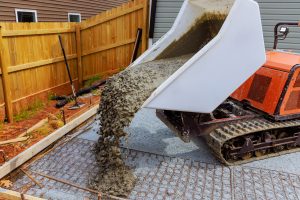
 If you are planning a home extension or a new build in Essex, one of the first questions you might ask is: how long will a concrete foundation actually last? It is a fair question. The foundation is the part of your home you never see, yet everything else sits on top of it. Get it right, and your property could stand for well over a century. Get it wrong, and problems can show up in just a few years.
This guide explains what affects the lifespan of a concrete foundation, what warning signs to watch out for, and why choosing the right foundation contractors in Essex and Suffolk from the start makes all the difference.
How Long Does a Concrete Foundation Last?
A well-built concrete foundation can last anywhere from 50 to 100 years or more. In fact, many older properties in the UK have foundations that are still in excellent condition after more than a century. However, this level of durability only happens when the foundation is designed correctly, built with quality materials, and properly maintained over time.
A poorly built foundation, on the other hand, can start to show serious problems within 10 to 20 years. This is why the quality of the work matters so much at the very beginning.
What Affects How Long a Foundation Lasts?
Several key factors determine how long a concrete foundation will hold up.
1. Soil Type
The ground beneath your property plays a huge role. In Essex and Suffolk, soil conditions vary greatly. Some areas have sandy soil, which drains well and provides a relatively stable base. Others have clay-heavy soil, which swells when wet and shrinks when dry. This constant movement puts pressure on foundations over time and can cause cracking or shifting if the foundation is not designed to cope with it.
2. Drainage
Poor drainage is one of the most common causes of foundation damage. When water builds up around or beneath a foundation, it can wash away the soil underneath (a process called erosion), weaken the concrete itself, or cause frost damage in cold weather. Good drainage design is essential to protect the foundation long term.
3. Concrete Mix Quality
Not all concrete is the same. The strength of the mix, the water-to-cement ratio, and the use of the right additives all affect how durable the finished foundation will be. Low-quality concrete is more porous, which means water can get in more easily and cause damage from the inside out.
4. Reinforcement
Reinforced concrete foundations include steel bars (known as rebar) inside the concrete. This steel adds tensile strength, which means the foundation can handle forces that would otherwise cause plain concrete to crack. Reinforced concrete is significantly more durable than unreinforced concrete and is standard practice for most modern builds.
5. Workmanship
Even with good materials, poor workmanship can drastically shorten a foundation’s lifespan. Incorrect depths, inadequate compaction of the ground below, or badly mixed concrete can all cause problems further down the line. This is why using experienced groundwork services from a trusted contractor is so important.
6. Ground Preparation
The work carried out before the concrete is poured matters just as much as the concrete itself. Clearing vegetation, levelling the ground, removing topsoil, and ensuring the subsoil is stable are all part of good landscaping and ground preparation practice. Skipping any of these steps can cause the foundation to settle unevenly over time.
Reinforced vs. Unreinforced Concrete Foundations
Here is a quick comparison to help you understand the difference:
| Feature | Reinforced Concrete Foundation | Unreinforced Concrete Foundation |
|---|---|---|
| Typical Lifespan | 80 to 100+ years | 50 to 75 years |
| Strength | High, handles bending and tension | Lower, brittle under tension |
| Best Use | Most modern builds, extensions, large structures | Very small structures, some garden buildings |
| Cost | Higher upfront | Lower upfront |
| Maintenance Needs | Minimal if well built | More monitoring needed over time |
| Risk of Cracking | Low | Higher, especially on clay or unstable ground |
For the vast majority of homes and extensions in Essex, reinforced concrete is the right choice. The extra cost upfront is far outweighed by the years of additional durability and reduced risk.
Warning Signs That a Foundation May Be Failing
Even a well-built foundation can develop problems if conditions change over time. Here are the key warning signs to look out for:
Cracks in walls are one of the most visible signs of foundation movement. Diagonal cracks running from the corners of windows or doors are particularly worth investigating. Small, hairline cracks can be normal, but wider cracks or cracks that keep growing need professional attention.
Doors and windows sticking or becoming difficult to open and close can indicate that the structure is shifting. This happens when a foundation moves unevenly, causing the frame of the building to go slightly out of square.
Uneven or sloping floors suggest that different parts of the foundation are settling at different rates. This is known as differential settlement and can be a sign of soil movement or drainage problems beneath the slab.
Subsidence is a more serious condition where the ground beneath a building sinks. Essex and Suffolk have areas where clay soils are particularly prone to this, especially during dry summers when the clay shrinks. If you notice significant cracking combined with visible sinking, it is important to get a professional inspection without delay.
Damp or water ingress at floor level can be a sign that the damp proof course is failing or that water is getting in around the foundation. Over time, this can weaken the concrete from within.
If you notice any of these signs, it is always worth getting a foundation inspection done by a qualified professional. Early action can prevent small problems from becoming very expensive ones.
Why Getting It Right First Time Saves Money
The most important thing to understand about foundations is that fixing a failing one is extremely costly. In some cases, underpinning a property (the process of strengthening an existing foundation from below) can cost tens of thousands of pounds. It is also disruptive, time-consuming, and stressful for the homeowner.
By contrast, investing in a properly designed and built foundation from the start costs a fraction of what repairs would later require. Using experienced concrete foundation contractors who understand local soil conditions, drainage requirements, and building regulations means your foundation is built to last from day one.
The UK Government’s Approved Document A (Structure) sets out the building regulations that apply to foundations in England. You can read more about these structural standards on the GOV.UK Approved Document A page.
How LGL Groundworks Can Help
At LGL Groundworks, we have been working on foundations across Essex and Suffolk for over a decade. We understand local ground conditions, we use quality materials, and we follow all relevant building regulations. Whether you are planning a new build, a home extension, or need a professional assessment of an existing foundation, we are here to help.
Get in touch today for a free quote and let us make sure your next project is built on solid ground.